| Dredging in North Brazil - August 2005 Jose Coltro Jr. and Dr. Paulo Marcio Costa |
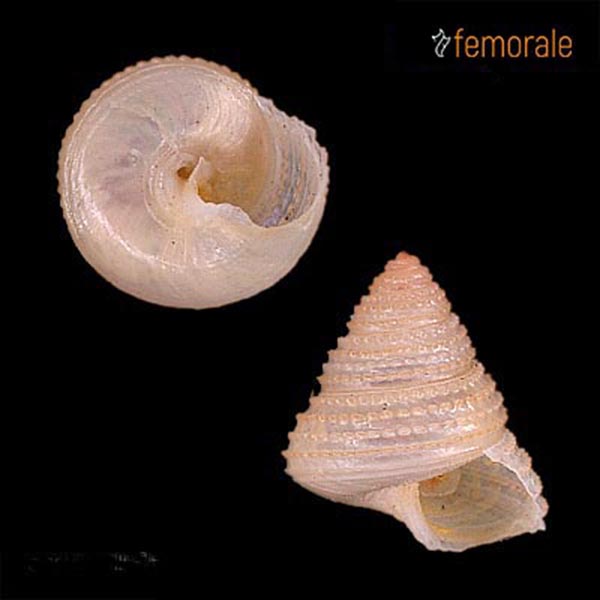
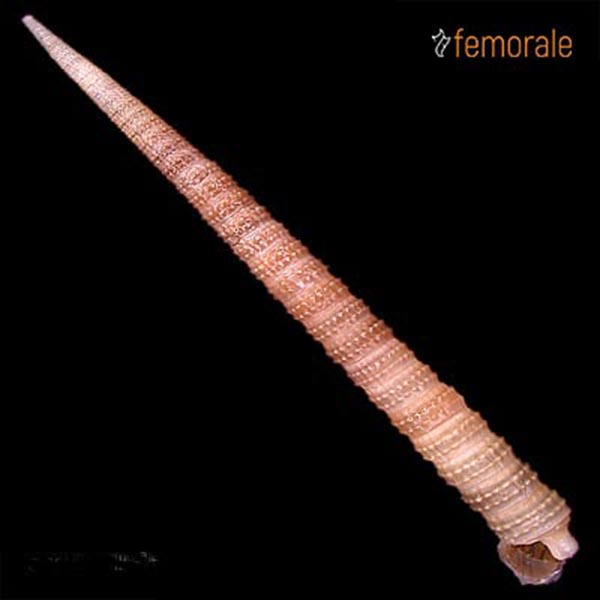
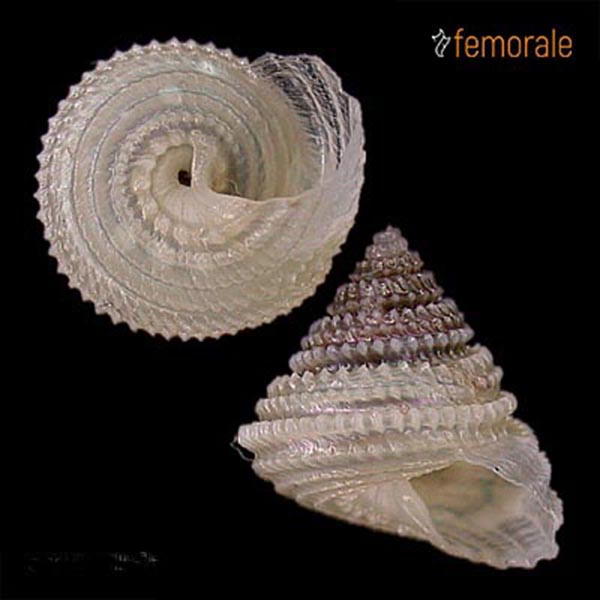
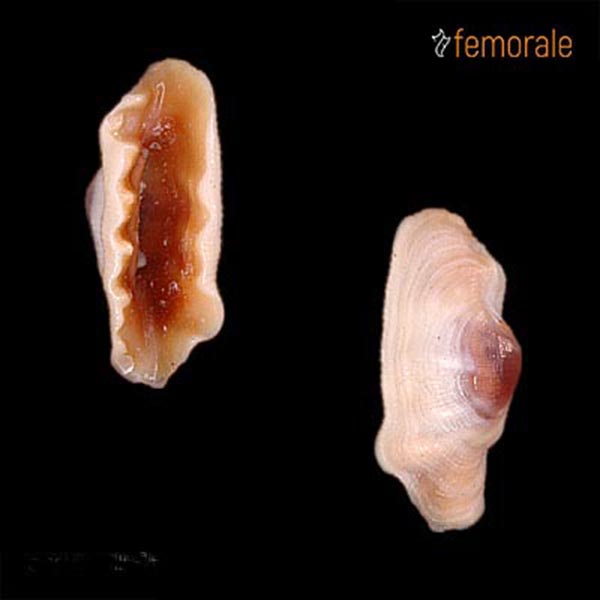
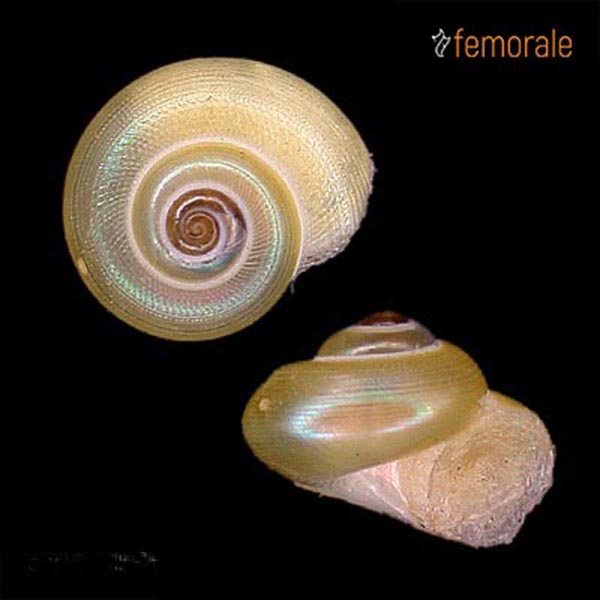
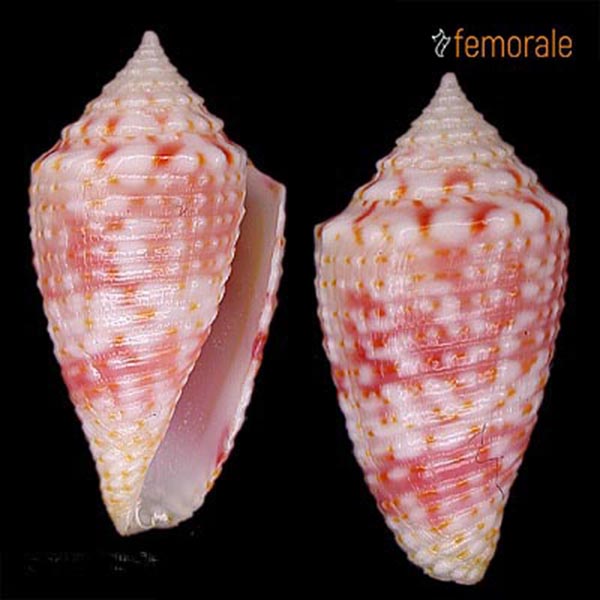
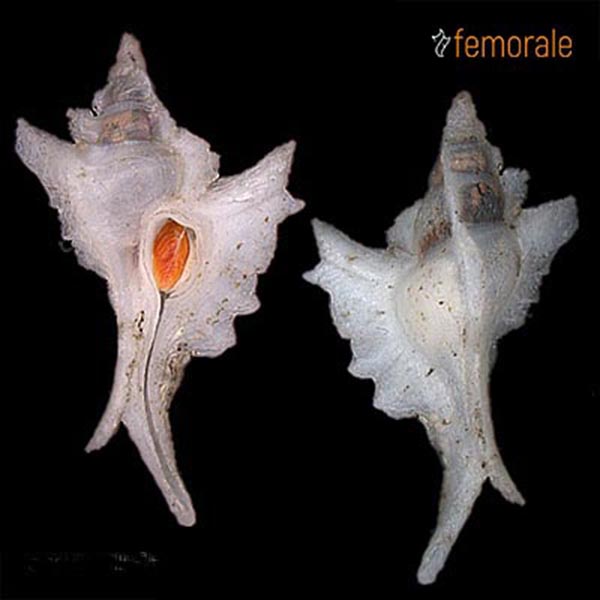
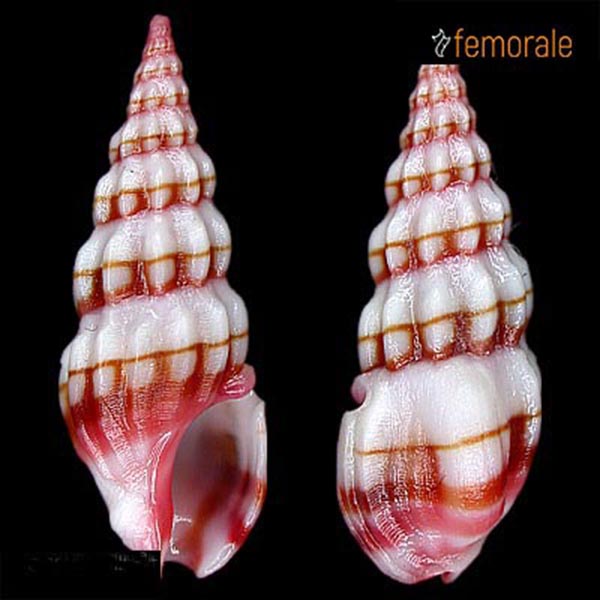
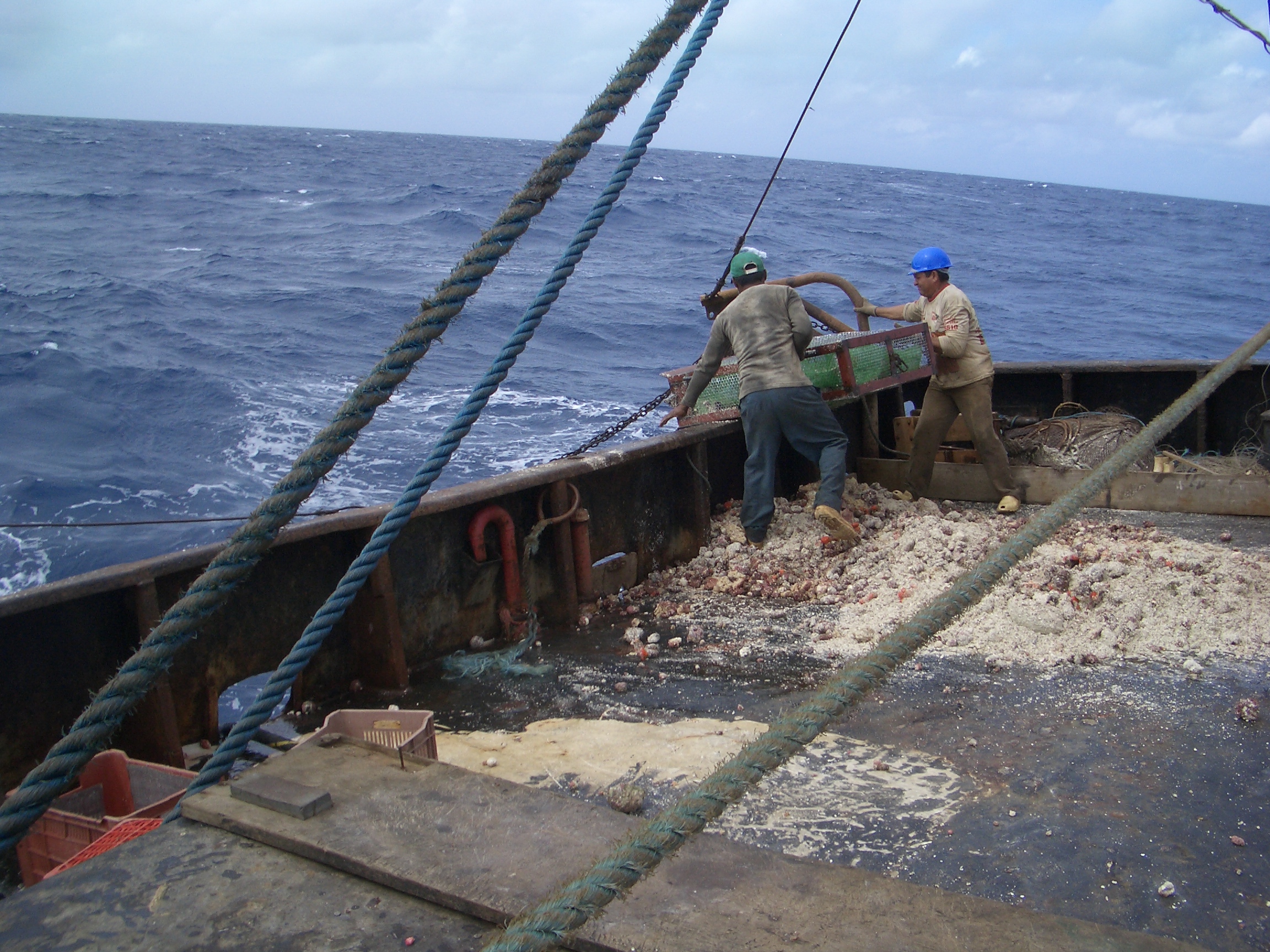
I always wanted to go on a good dredging trip in a remote place. I tried in 1993 when I rented the oceanographic ship from the Rio Grande Museum. That was a disaster. For many years, the only good results were from our humble dredging on the São Paulo coast, but never deeper than 50 meters.
Last year, Dr. Paulo Marcio Santos Costa, from our National Museum (Museu Nacional do Rio de Janeiro) told me of the possibility of using a fishing boat from a big company in Fortaleza, Ceará State, to dredge the offshore banks of the north Brazilian coast. It would be a dream come true!
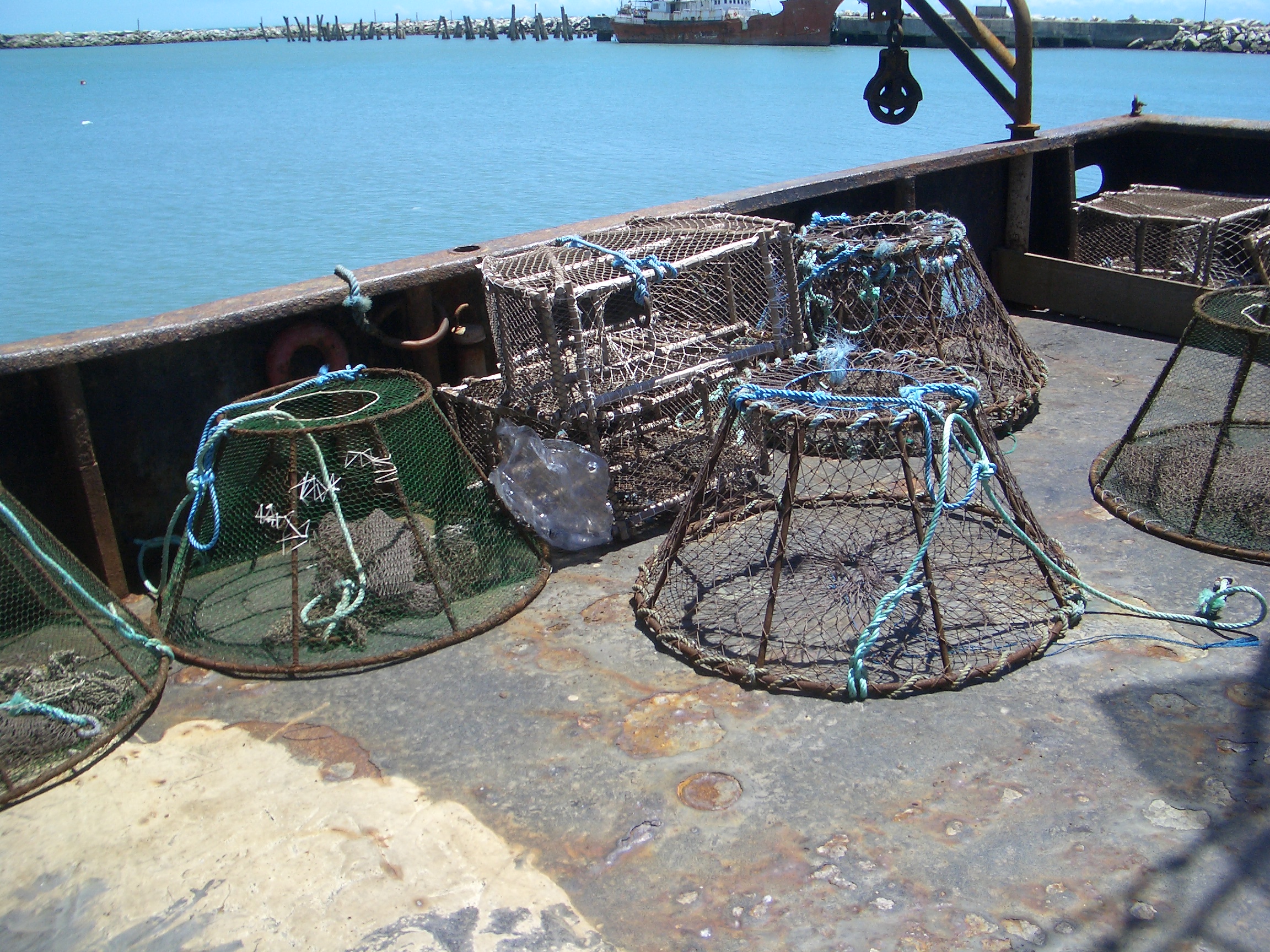
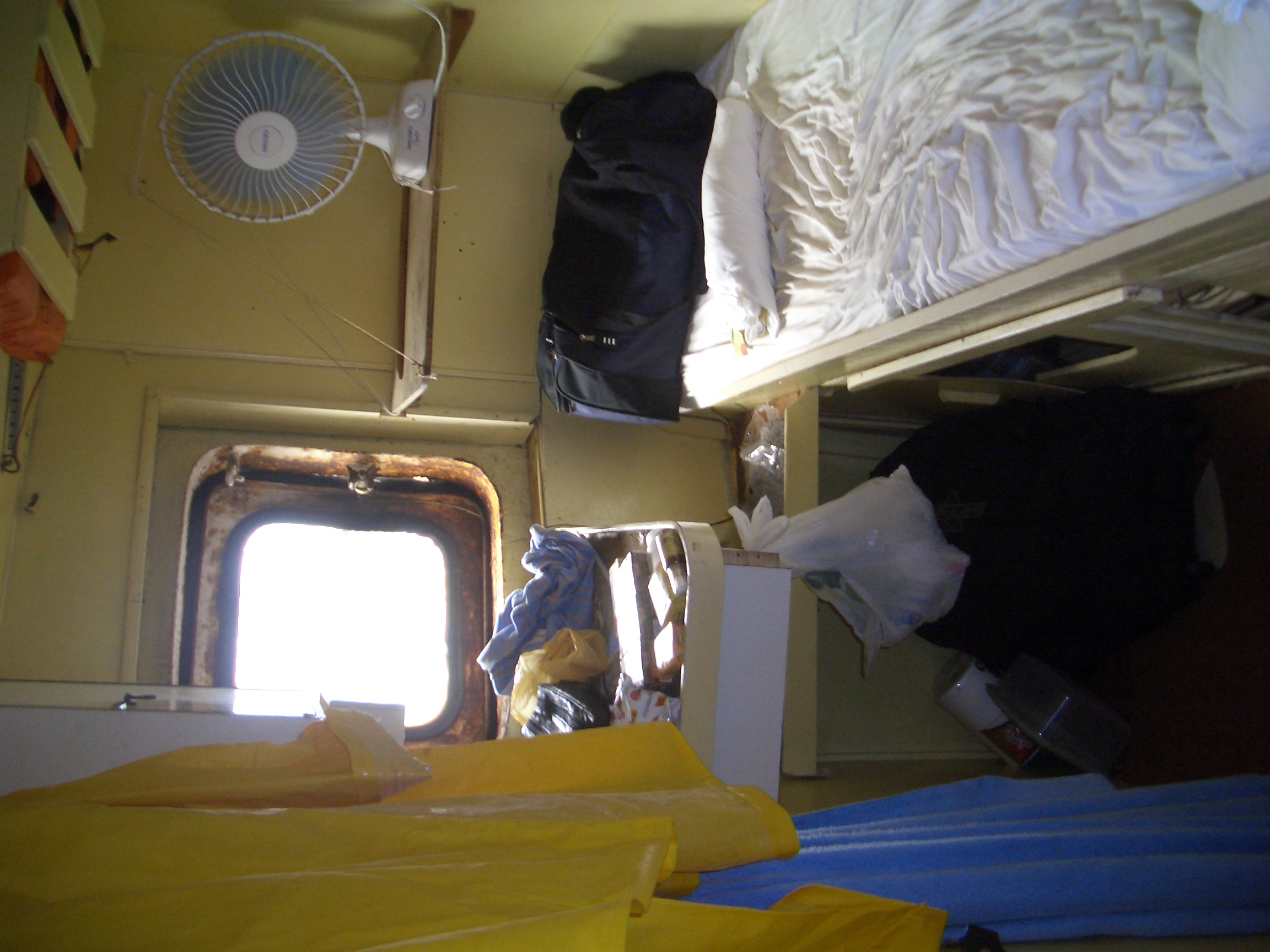
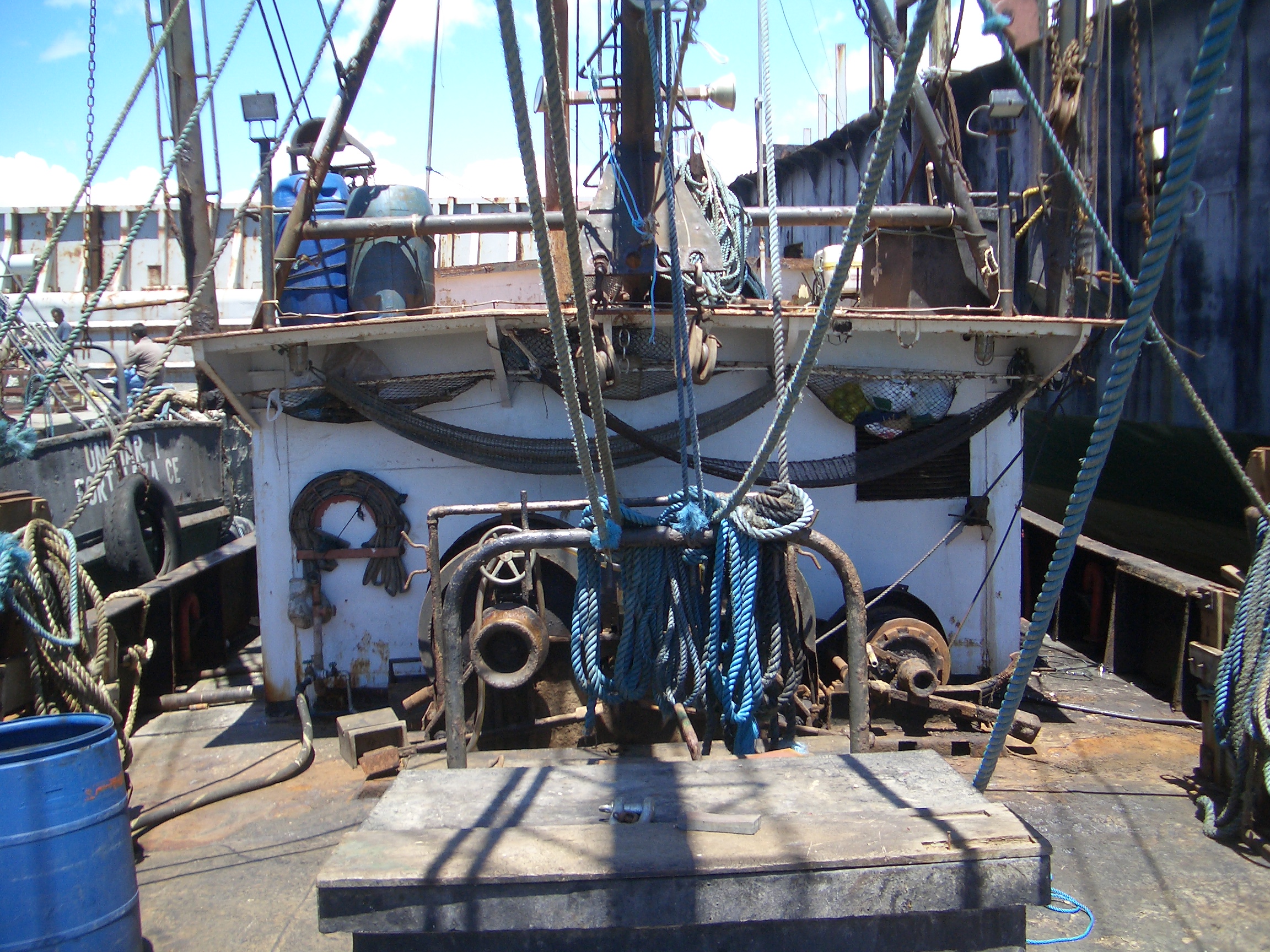
We arrived in Fortaleza on August 21st. On the following days, we went to visit the fishing boat - a trawler 28 m long. The boat was very rusty, and my first thought was about anti-tetanus vaccine! As in most fishing boats, comfort was minimum, but acceptable for 5 days. We met the crew, 5 well-experienced members. I got the first cabin, Dr.Costa the next one, and four the crew members the next one. One of the crew had to sleep on the wheelhouse . The boat had been well cleaned and they had used insecticide to kill all the cockroaches. Guess what I saw crawling on the wall of my cabin on the very first day?
My next bad surprise was the outside bathroom. It was next to the kitchen door. And the inside was a little bit disgusting. When the manager of the company saw my face, he sent some people to change the pieces, paint and clean it again!
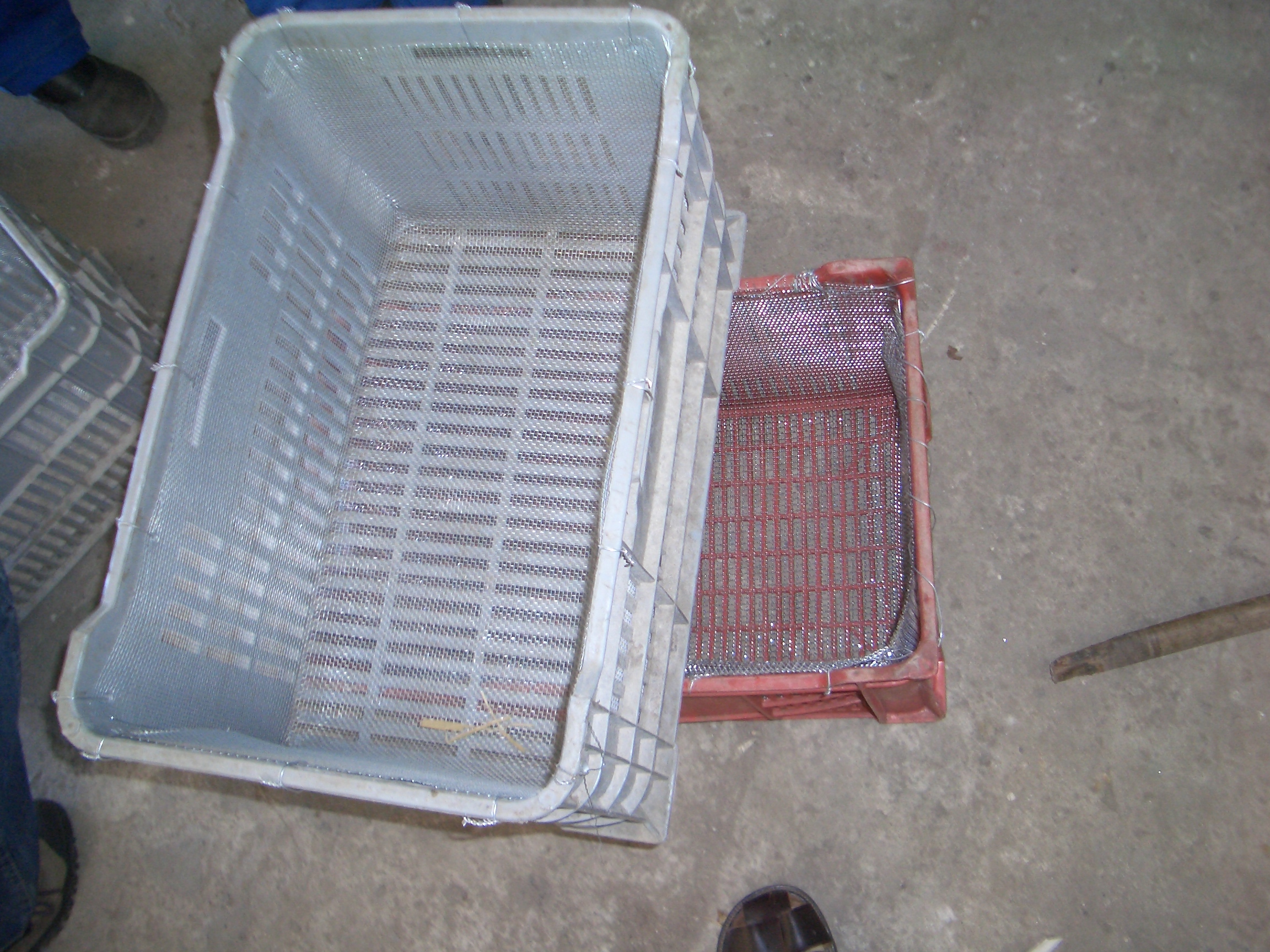
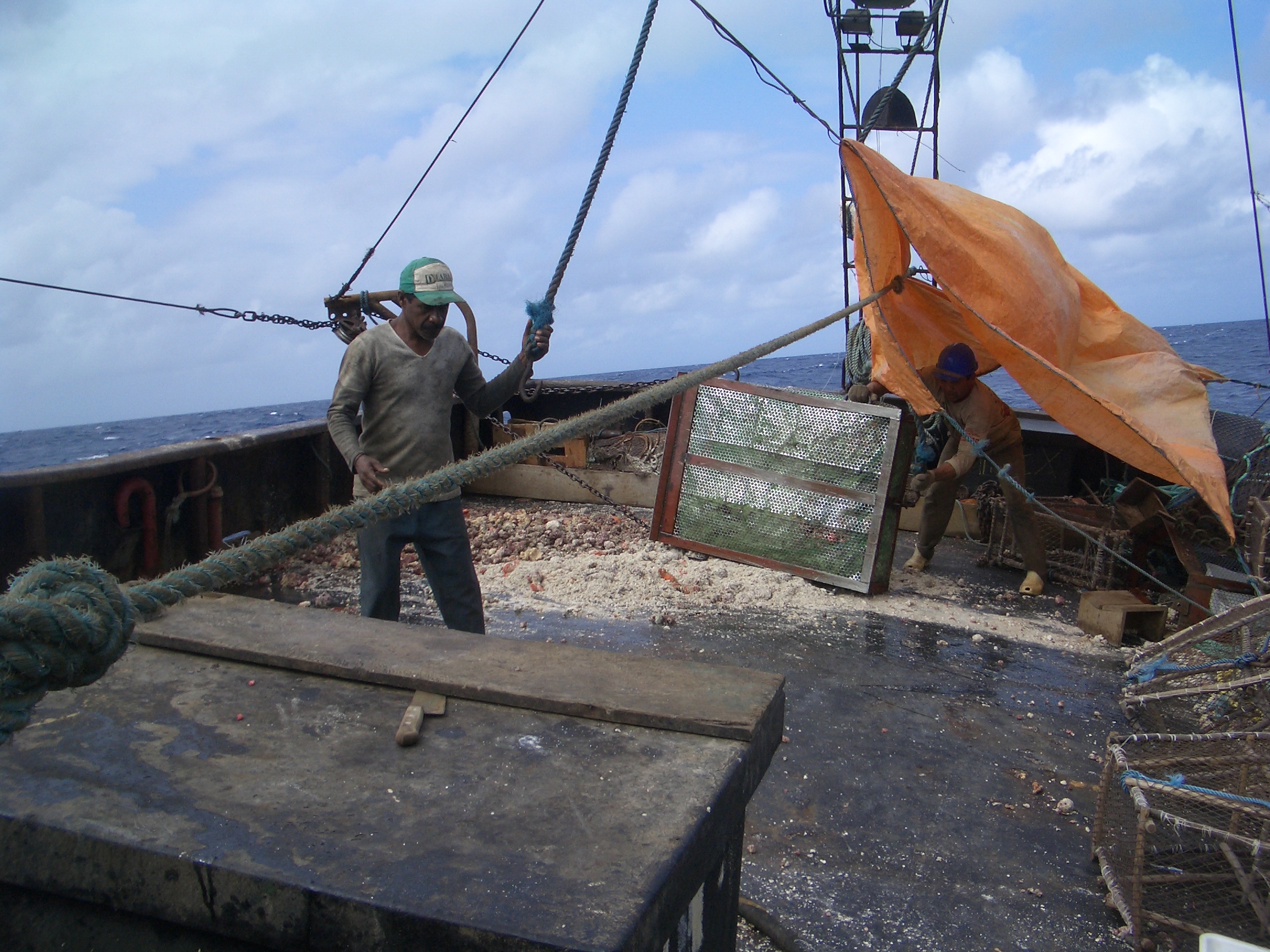
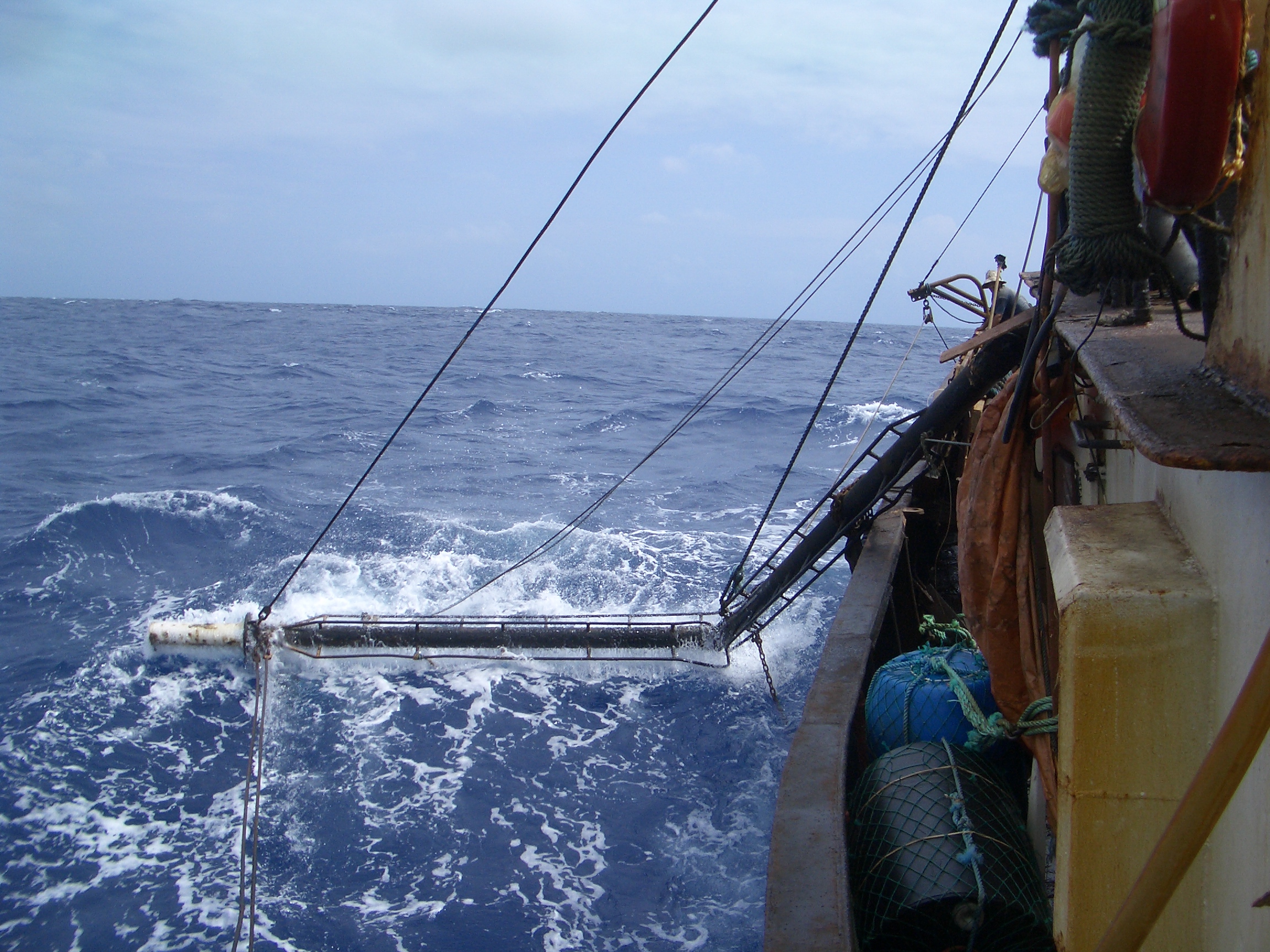
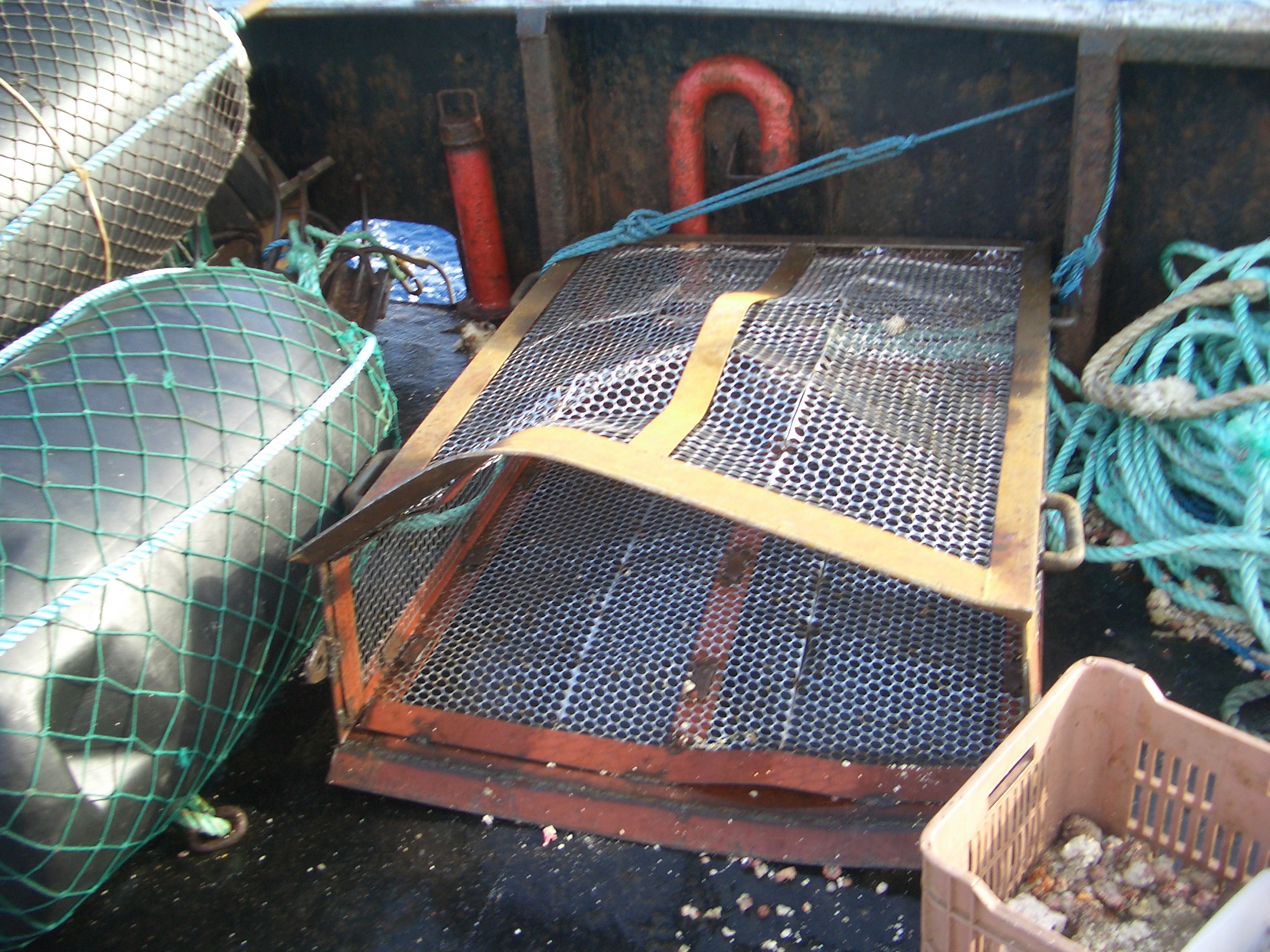
We started to work hard to prepare the big dredges we ordered (1 x 1.2 x 0.3 meters), very strong and heavy. They also had to get stronger and longer cables to use with the dredges. And had to build 4 boxes with different mesh sizes for screening. This all took three days to get ready.
During
the days we were
in Fortaleza,
the wind was
very low and
the sea looked
very calm. Of
course, on August
25th this situation
changed! We left
the dock about
noon. I had taken
one Dramamine
in the morning,
another just
before boarding
the boat, and
a third one hour
after we left.
I offered one
pill to Dr. Costa,
but he refused
telling me he
was used to boats
in any condition.
He was wrong!
For the next
two and a half
days he almost
couldn't leave
the bed! It took
about 14 hours
to reach the
offshore banks
and the sea was
very rough. The
wind was very
strong, the waves
very high.
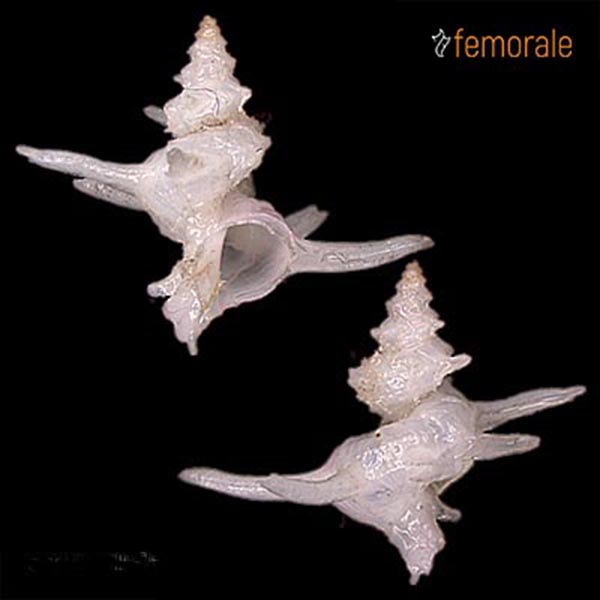
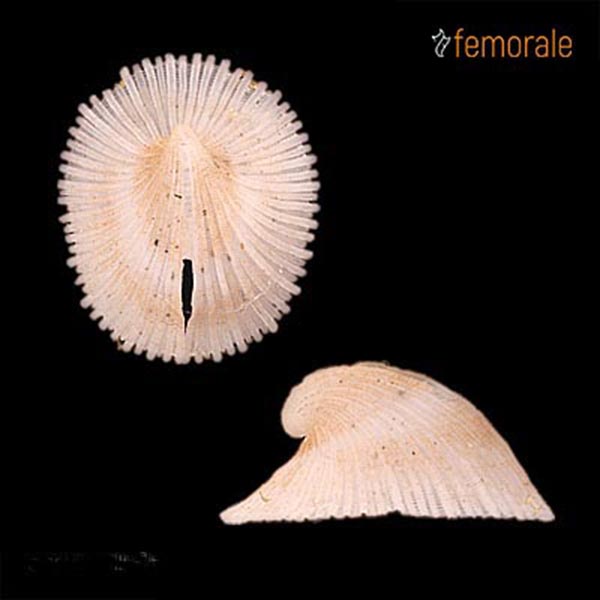
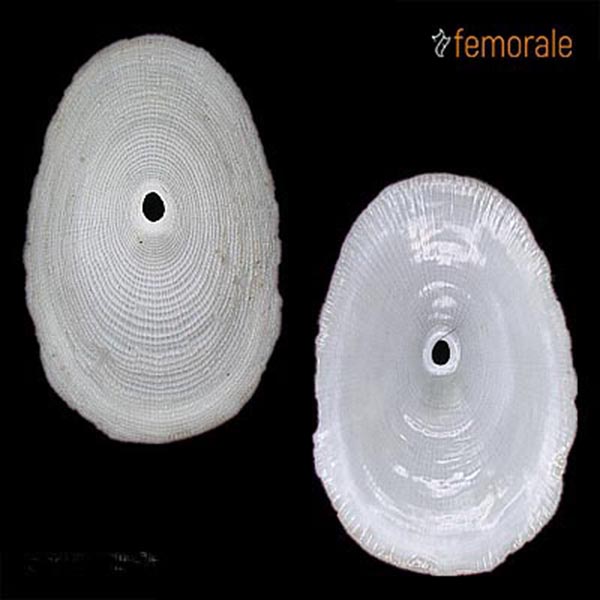
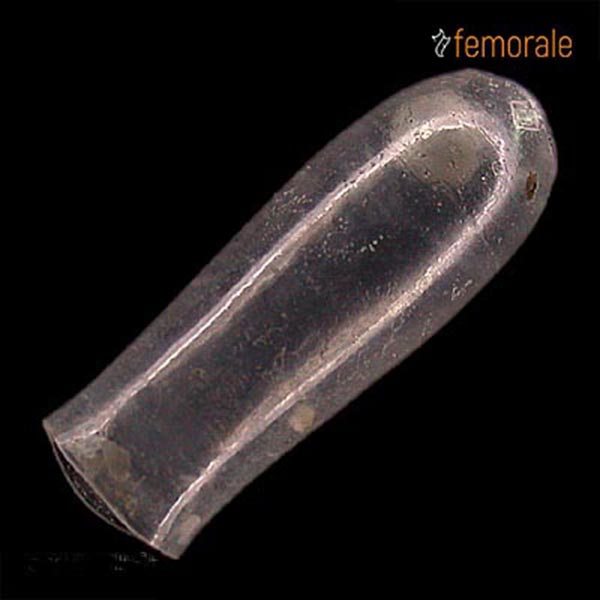
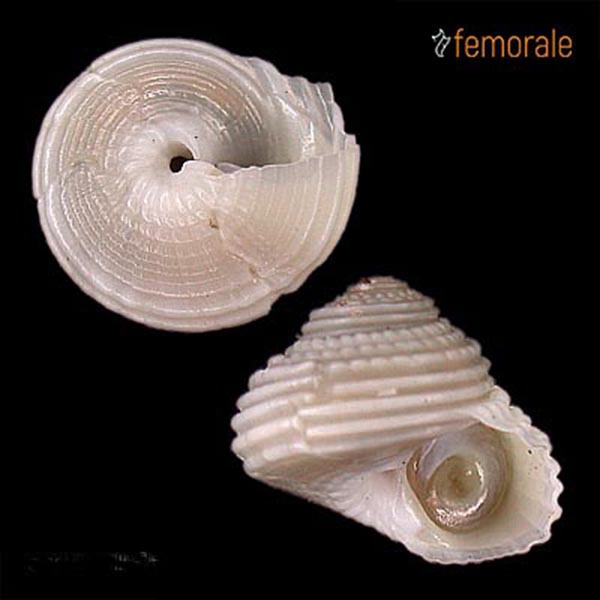
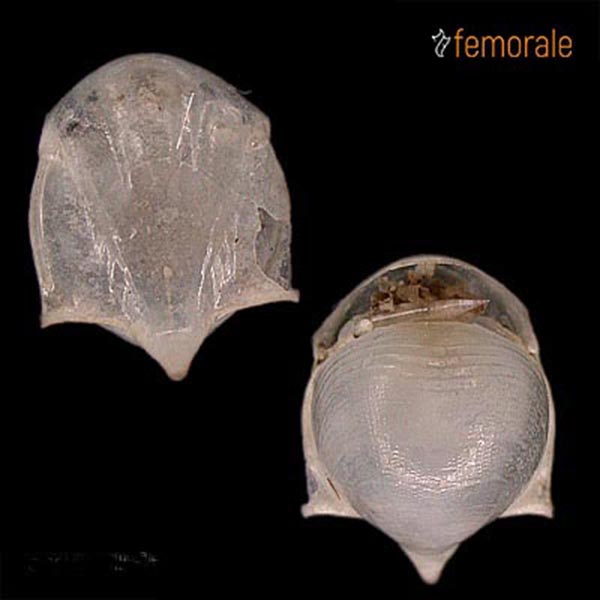
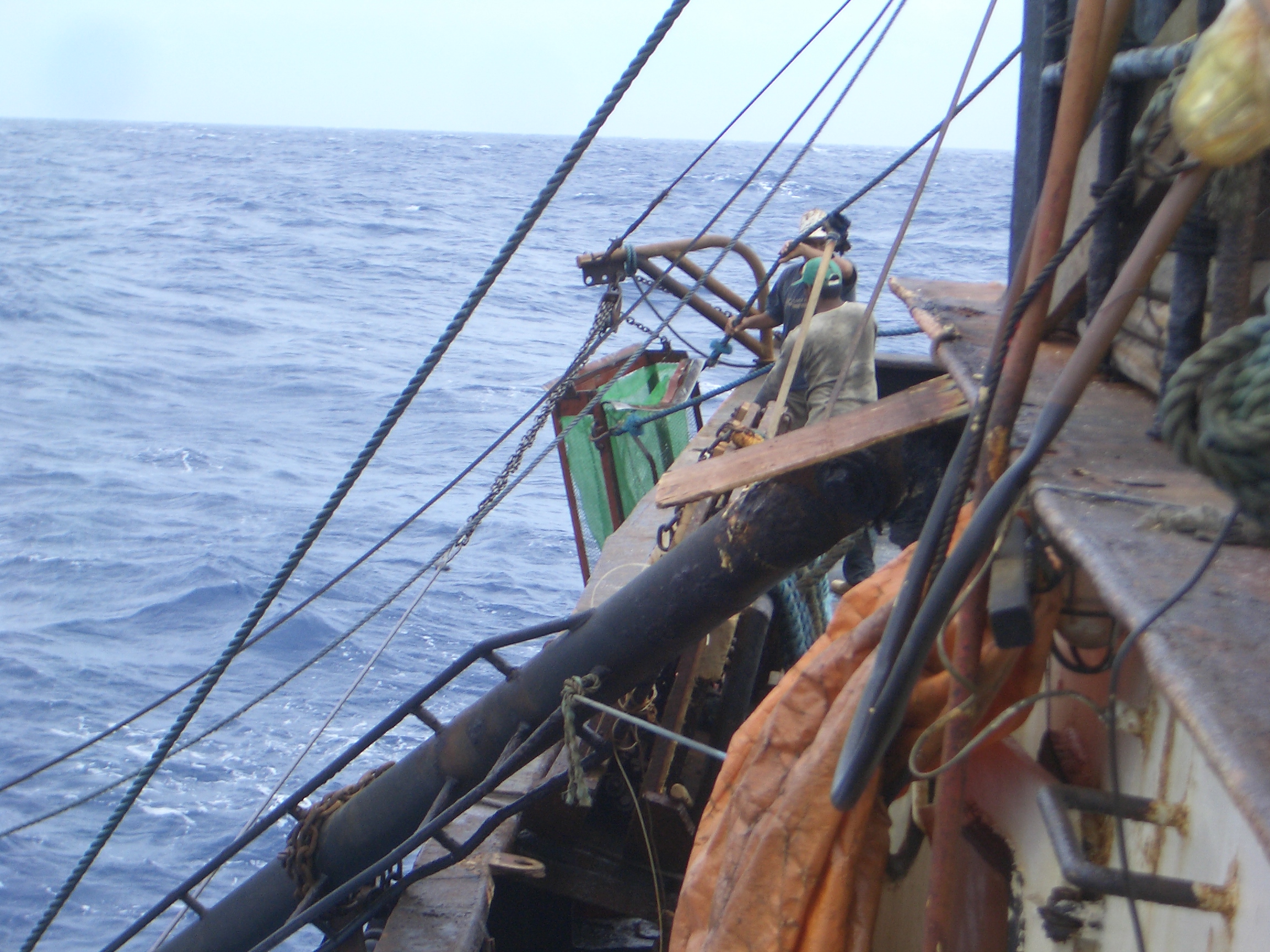
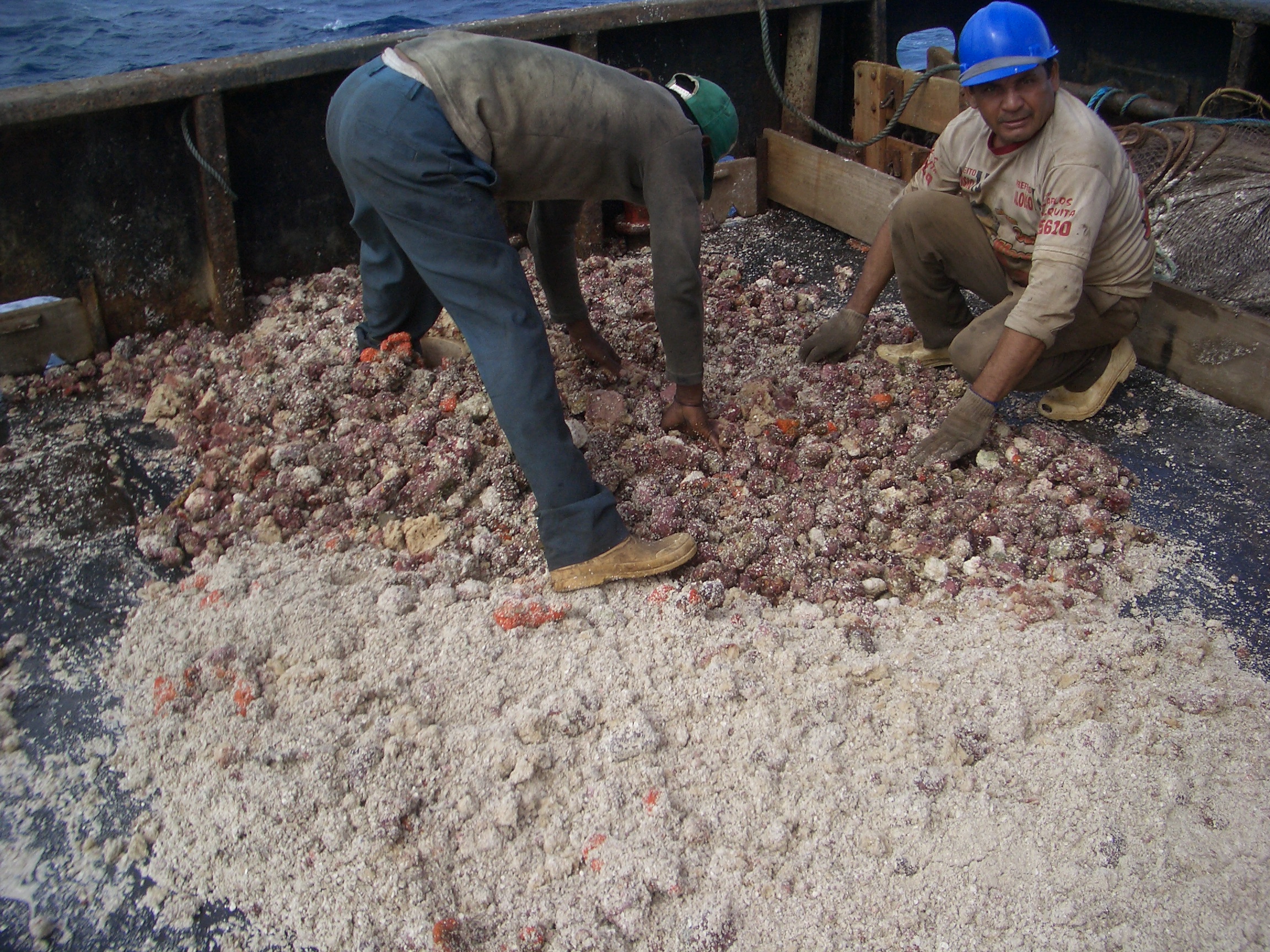
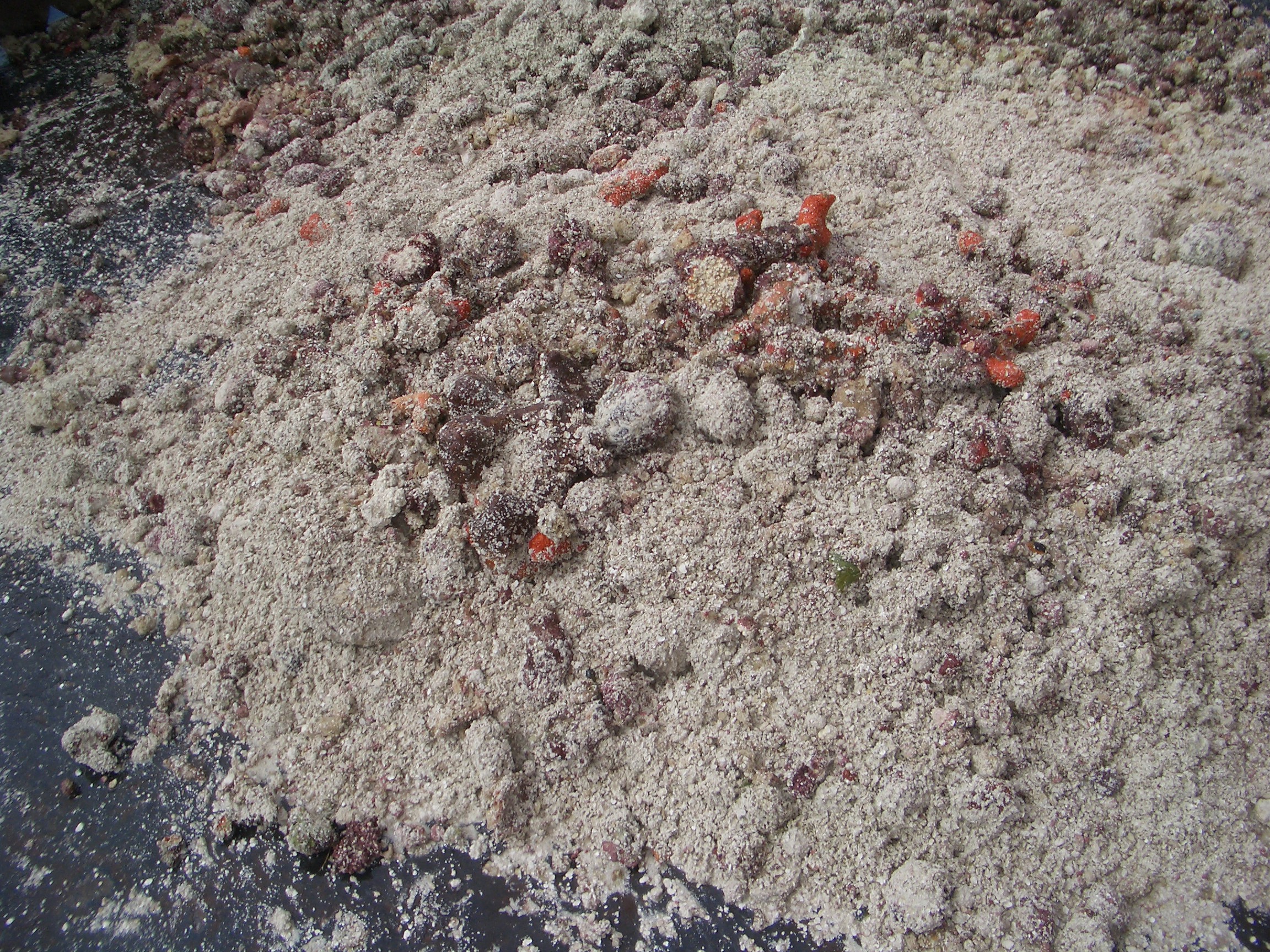
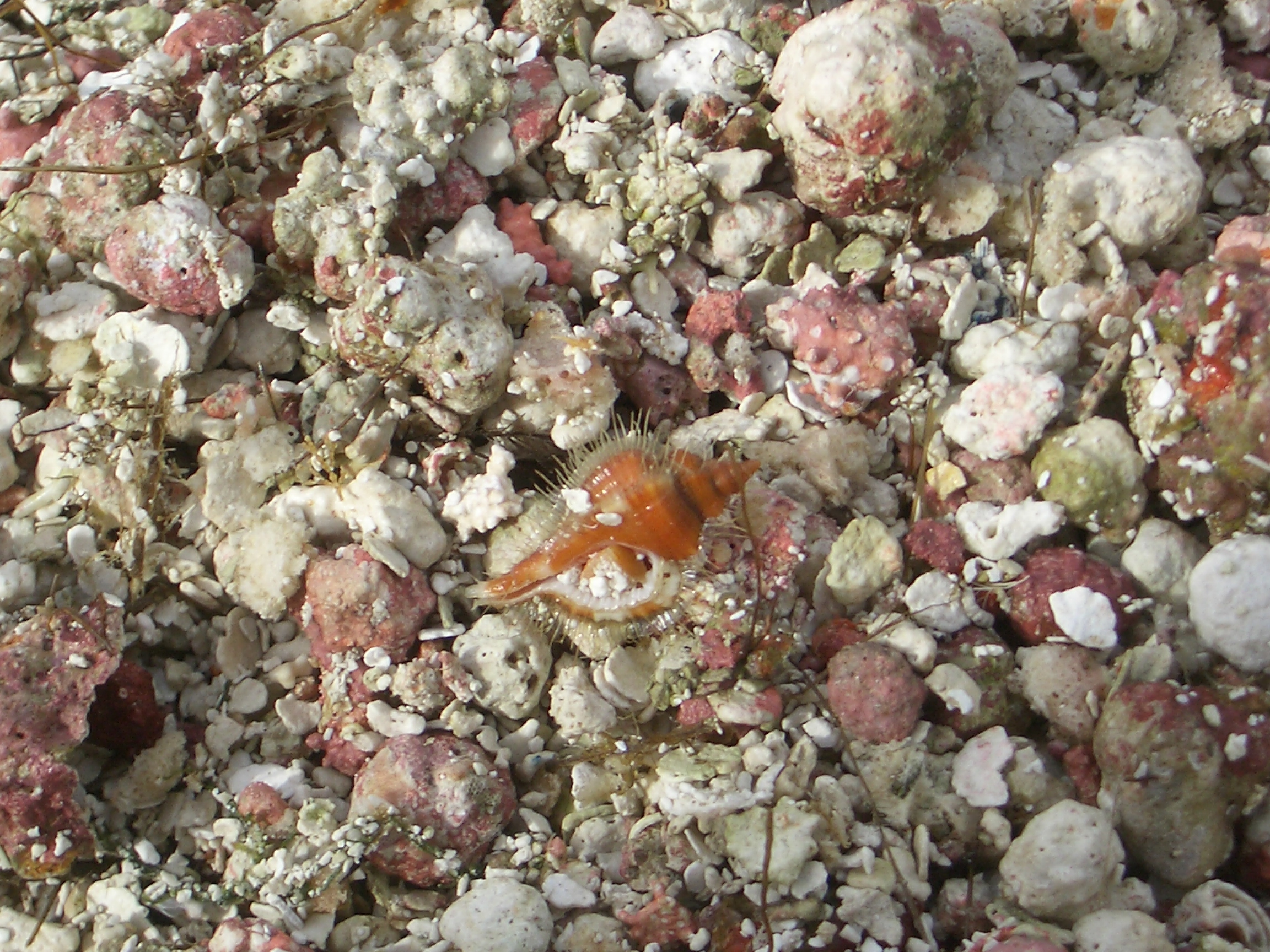
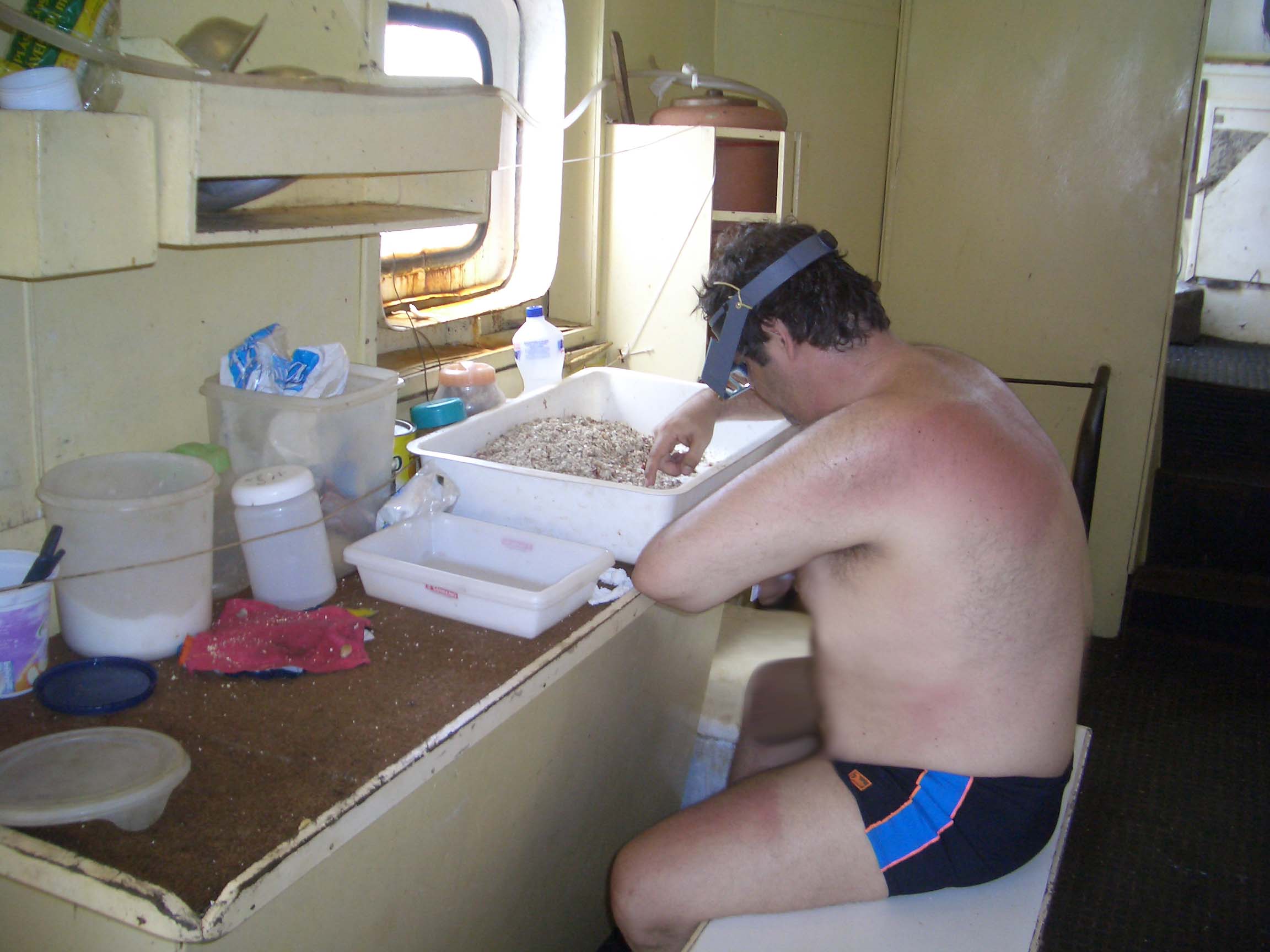
The first day of dredging, we started by putting some traps at depths of 280-300 meters. After that we went to the top of the banks and started dredging in depths of 60 to 70 meters. The bottom was only calcareous algae (Lithothamnium sp.), and mostly dead material. We found very few species, like a new Conus related to the C. mindanus group, Cymatium vespaceum, some turrids and a few other shells. We did most of the dredging in this area and it was very unproductive. Thanks to the Dramamine, I felt quite well. The crew had fixed a large cable on the deck that I could hold on to for walking. They had prepared a special seat where I could check some trays with the substrate. By the end of the day, we decided to try to dredge at 260 meters - the next level on the bank. On our first try we hit some very hard bottom. We raised the dredge quickly and saw that it was a little bit damaged, but it had some substrate inside. When we put that on the deck a big surprise: a very large unknown Fusinus appeared! I took all the substrate and I started checking for other shells. I had one surprise after another! I asked to dredge again in the same spot, and again the dredge hit hard bottom. This time, the dredge was smashed a lot, but it came up with some good substrate inside, too! I found in a kind of rubble, millions of sea-urchins spines, crazy starfish, sponges, etc. many shells, mostly unknown to science, and some unknown to Brazilian fauna. Besides that large beautiful Fusinus sp., I found a very large and beautiful kind of Lucapina (I think even the genus is new), a Pterynotus close to the P. ariomus, a small and gorgeous Babelomurex juliae. Lots of pteropods and small species.
We left this bank to go to the next one, the type-locality of Conus scopulorum. We arrived early in the morning and we started dredging on this small bank at depths of 50 up to 70 meters. It was a peak in shallow water surrounded by 800 meters deep. We dredged a lot, again in calcareous algae bottom and we found only broken pieces of C. scopulorum. It seemed we were in the wrong time of the year. For two days, we combed nearly the whole bank and it was very disappointing. We found very few species of shells, but lots of sponges, crabs, etc. The next day, we went back to the first spot. We retrieved the traps and found no shell, not even a crab. Just two stupid fish.
Although we lost one dredge we still had another two other ones and we used them in depths of 240-270 meters, but the good shells came only from 260 meters. We dredged another 12 stations, but suddenly the dredge became stuck on the bottom and the waves and the wind pushed the boat so much that we destroyed the arm holding the cable. The boat almost rolled over on its side. With additional care, we managed to free the dredge, almost completely smashed, but again with substrate and a big rock inside. After three hours trying to find a way to keep doing our job, the captain fixed the dredge and the arm. But the wind was so strong and the waves were so high (sometimes over 6 meters!) that we decided to come back to Fortaleza. We left the bank at night and we had the worst trip ever. Even the crew were complaining about how the boat shook. Nobody could sleep. I was thrown out of bed three times!
About 50 km off the coast, we dredged again. The boat was rolling a lot but we tried anyway. The bottom was sand and everybody was disappointed, but when we started to clean the sand we found many interesting species, such as Conus selenae, turrids, olives, etc. Just a few kilometers from Fortaleza, I was talking with the captain at the wheel when he warned me about a huge wave; as I turned to look at it, I was flying in the air and almost smashed the poor little captain! Thank God, he survived!
We brought back more than 200 kilos of sand and rubble to check and we are still working on that. We found more than 40 new species of shells, crabs, sponges, etc. Most the material went to our National Museum and to the Zoological Museum of the University of São Paulo. It was a great trip! In addition to the great material, I lost 5 kilos! I hope to be invited again soon!
English checking by John Wolff
Shells
found on the
trip:
FISSURELLIDAE
- Diodora
arcuata (Sowerby,
1862); Diodora
minuta variegata
Sowerby, 1862;
Diodora mirifica
Metivier, 1972;
Emarginula
sp.; Lucapina
sp.; Puncturella
antillana
Farfante, 1947
TROCHIDAE - Calliostoma
bullisi Clench
& Turner,1960;
Calliostoma
sp.; Calliotropis
actinophora
(Dall, 1890);
Margarella
(?) sp.
TURBINIDAE -
Astraea sp.;
Homalopoma
philippiana
(Dall, 1889);
Homalopoma
sp.; Turbo
aff. heisei
Prado, 1999
SEGUENZIIDAE
- Hadroconus
altus (Watson,
1879)
ARCHITECTONICIDAE
- Architectonica
sunderlandi
Petuch, 1987;
Philippia
sp.
MATHILDIDAE -
Mathilda barbadensis
Dall, 1889
TRIPHORIDAE -
Triphora aff.
colon (Dall,
1881); Triphora
sp.
EPITONIIDAE -
Epitonium
aff. striatissimum
(Monerosato,
1878); Epitonium
krebsii (Morch,
1874); Opalia
atlantis
(Clench &
Turner, 1952)
HIPPONICIDAE
- Malluvium
benthophilum
(Dall, 1889)
CYPRAEIDAE -
Cypraea acicularis
Gmelin, 1791;
Cypraea cinerea
brasiliensis
Lorenz &
Hubert, 1993
TRIVIIDAE - Trivia
sp.
PEDICULARIIDAE
- Pedicularia
sp.
NATICIDAE - Natica
sp.
CASSIDAE - Casmaria
ponderosa atlantica
Clench, 1944;
Cassis tuberosa
(L., 1758)
RANELLIDAE -
Cymatium vespaceum
(Lamarck, 1822)
BURSIDAE - Bursa
pacamoni
Matthews &
Coelho, 1971
MURICIDAE - Aspella
sp.; Attilliosa
sp.; Pazinotus
sp.; Poirieria
sp.; Pterynotus
aff. ariomus
Clench &
Farfante, 1945
CORALLIOPHILIDAE
- Babelomurex
juliae Clench
& Aguayo,
1939; Coralliophila
sp.
COLUMBELLIDAE
- Mitrella
sp.; Zafrona
cf. idalina
(Duclos, 1840)
NASSARIIDAE -
Nassarius
sp.
FASCIOLARIIDAE
- Fusinus
sp.; Pleuroploca
aurantiaca
(Lamarck, 1816)
VOLUTIDAE - Enaeta
sp.
OLIVIDAE - Ancilla
sp.; Oliva
sp.
HARPIDAE - Morum
oniscus (L.,1767)
MARGINELLIDAE
- Dentimargo
sp.; Volvarina
sp.
COSTELLARIIDAE
- Vexillum
sp.
CONIDAE - Conus
cf. scopulorum
Van Mol, Tursch
& Kempf,
1971; Conus
sp.
TURRIDAE - Crassispira
affinis (Reeve,
1846); Fenimorea
halidorema
Schwengel, 1940;
Fenimorea
sp.; Fenimorea
sunderlandi
(Petuch, 1987);
Glyphostoma
sp.; Inodrillia
aff. acova
Bartsch, 1943;
Mitrolumna
aff. biplicata
(Dall, 1889)
CAVOLINIIDAE
- Cavolina
inflexa imitans
(Pfeffer, 1880);
Cavolinia
gibbosa (Orbigny,
1836); Cuvierina
spoeli Rampal,
2002; Diacria
trispinosa
(Blainville,
1821)
MYTILIDAE - Botula
sp.
ARCIDAE - Arca
cf. imbricata
Bruguiere, 1789
GLYCYMERIDIDAE
- Glycymeris
decussata
(L., 1758); Glycymeris
pectinata
(Gmelin, 1791);
Glycymeris
sp.
LIMIDAE - Lima
sp.
PECTINIDAE -
Argopecten
noronhensis
(E.A.Smith, 1885);
Euvola sp.
THYASIRIDAE -
Thyasira aff.
croulinensis
Jeffreys, 1874
CARDIIDAE - Americardia
media (L.,
1758); Papyridea
semisulcata
(Gray, 1825);
Trachycardium
magnum (L.,
1758)
TELLINIDAE -
Tellina listeri
Röding,
1798
VENERIDAE - Chione
cancellata
(L., 1767)