
| Back to Marshall Islands |
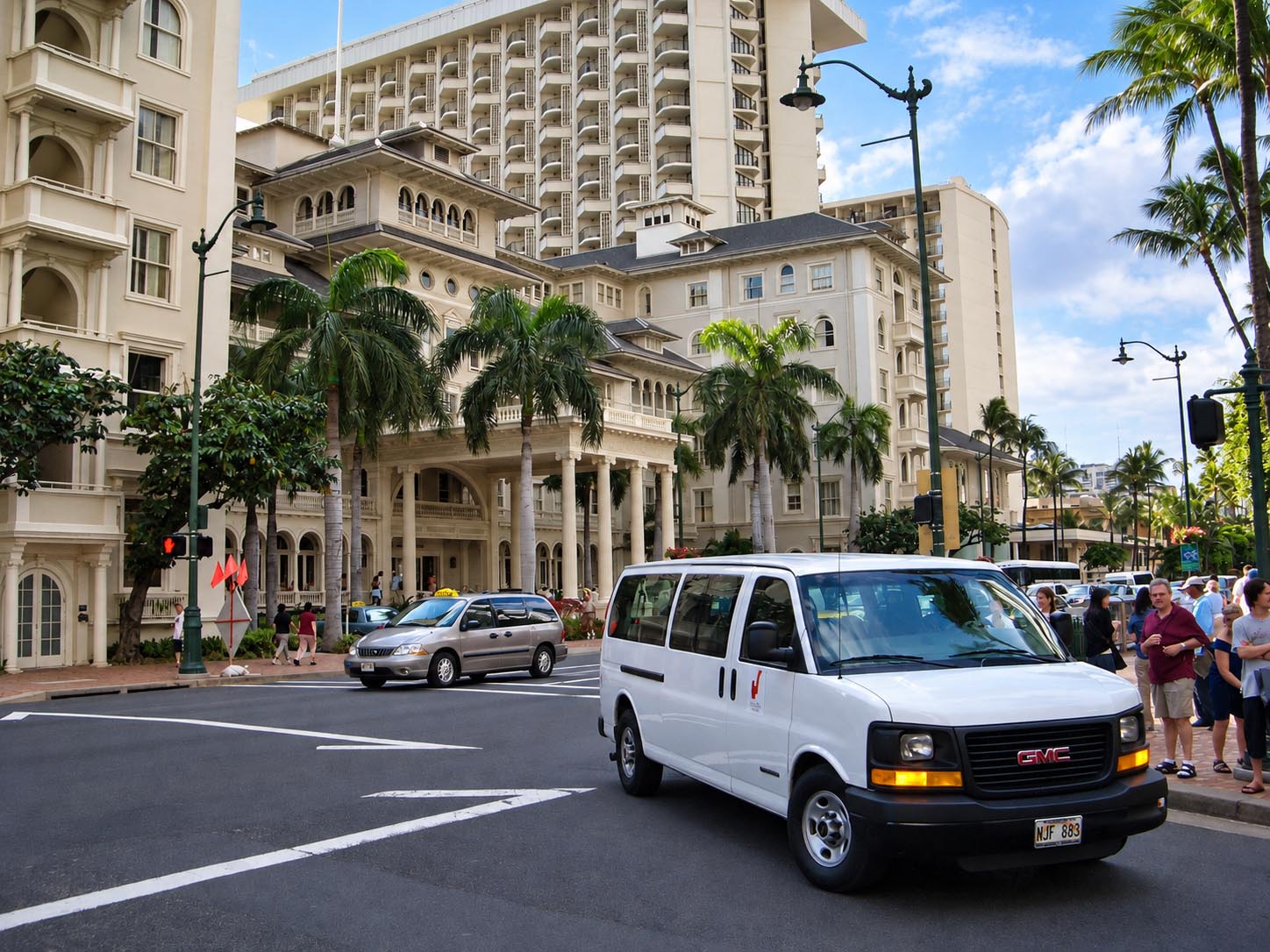
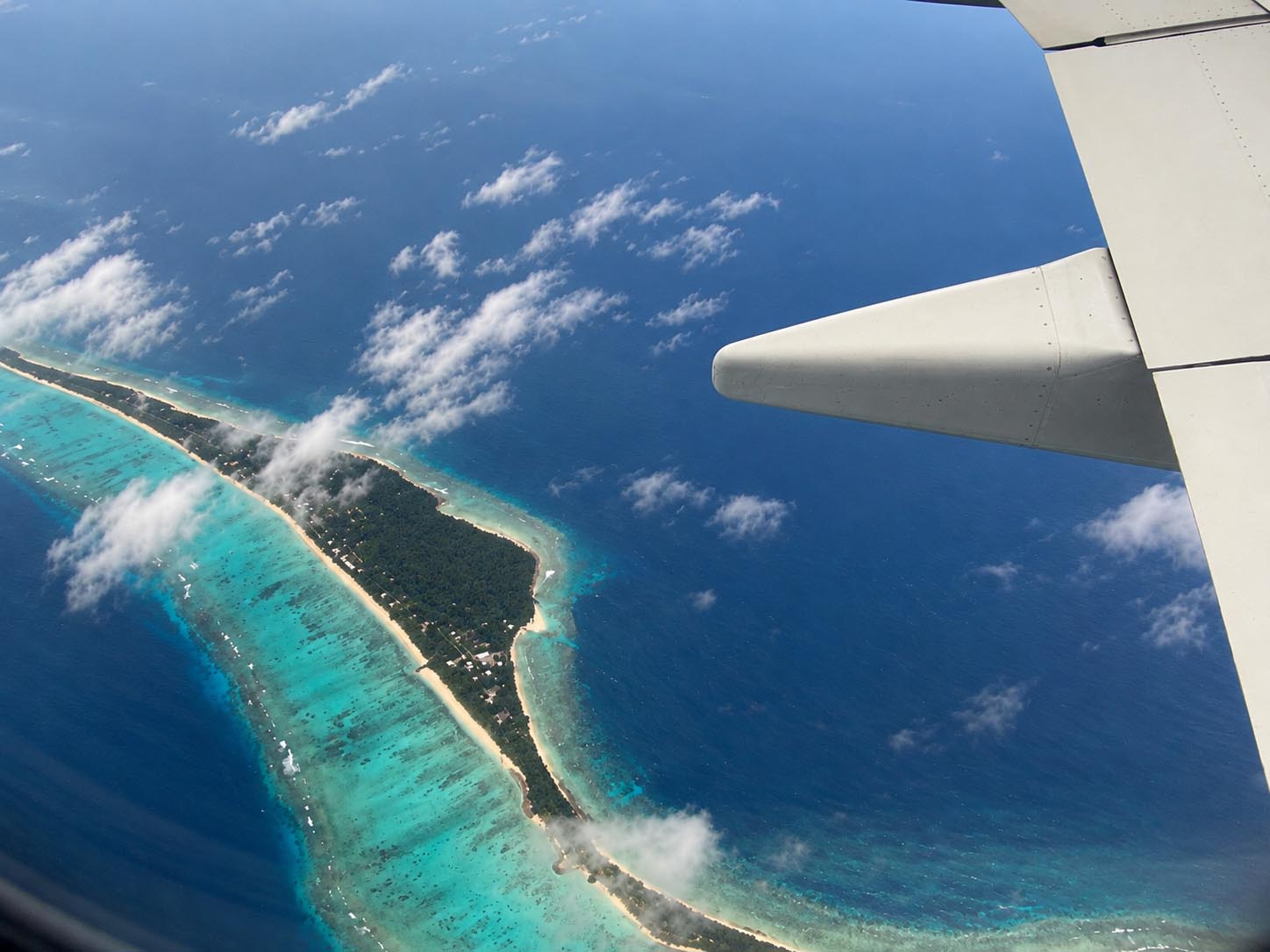
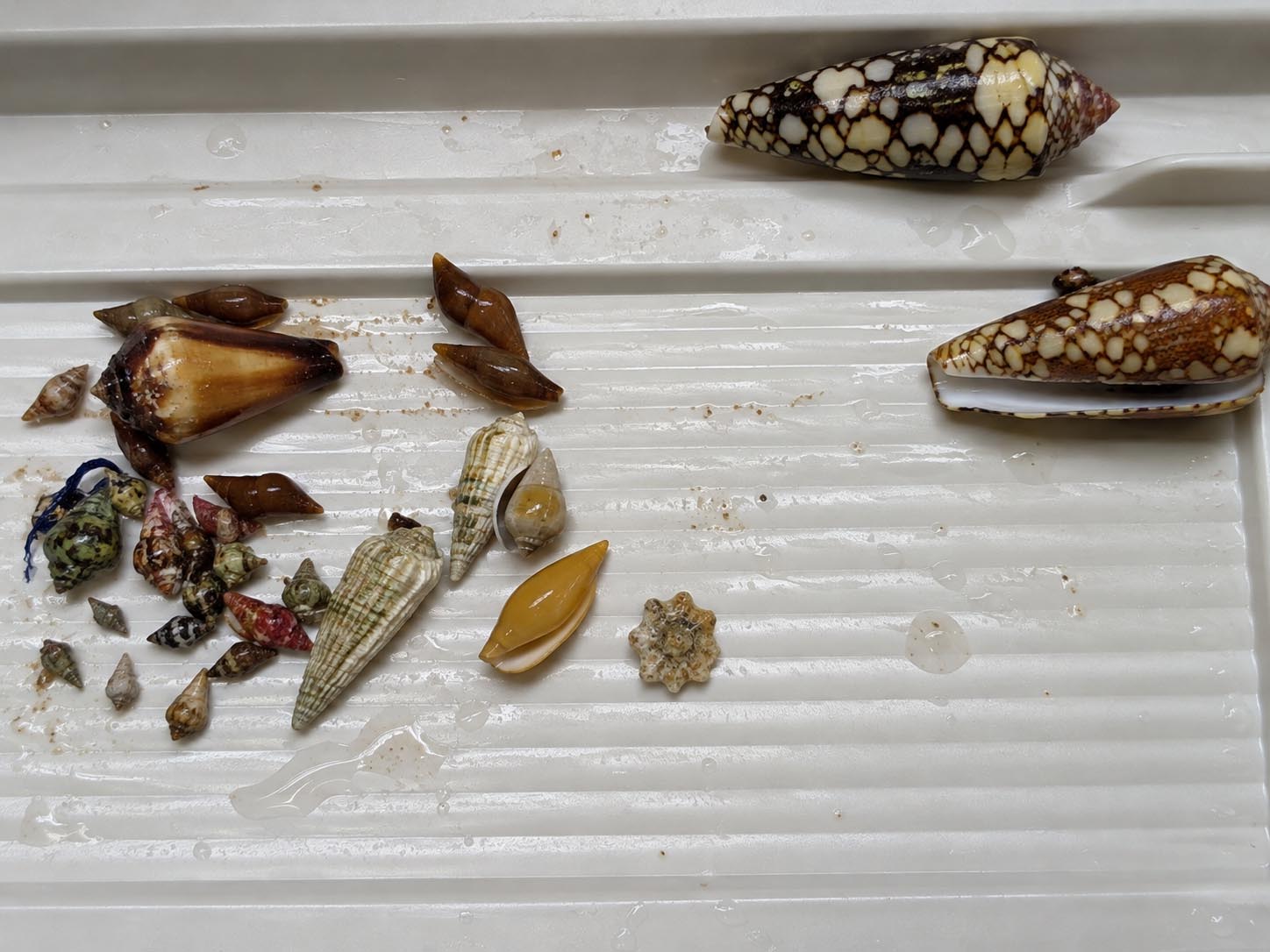
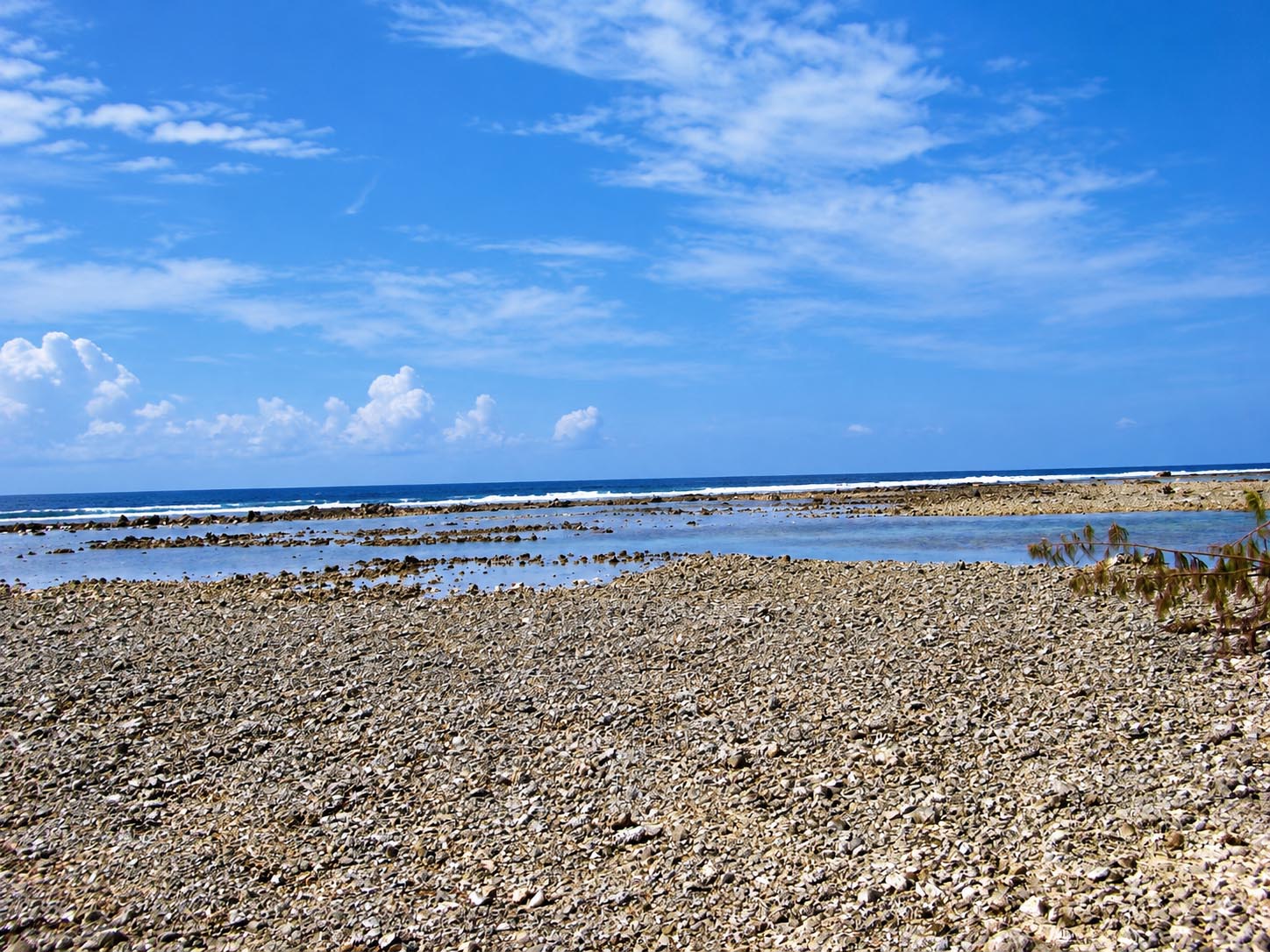
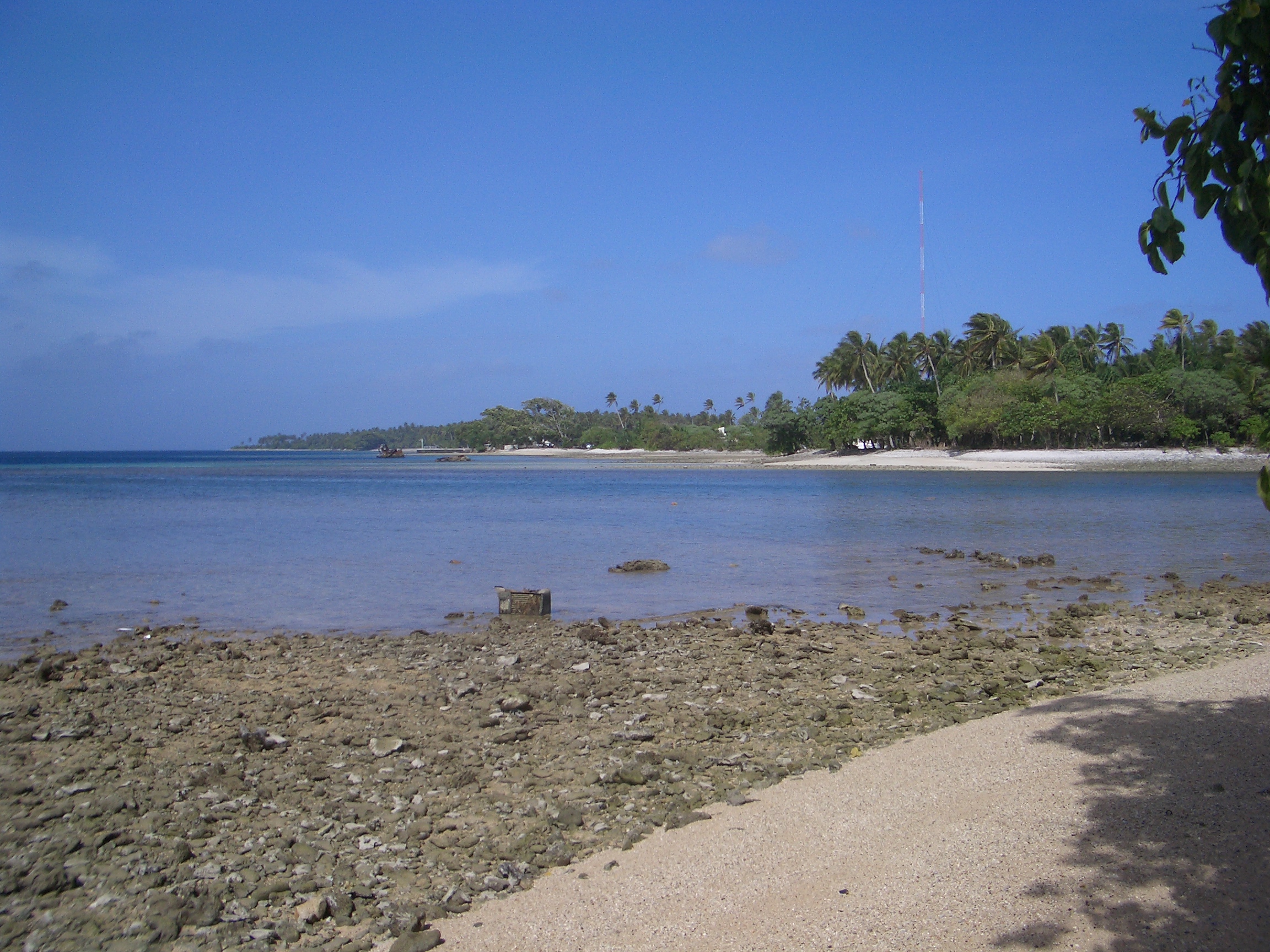
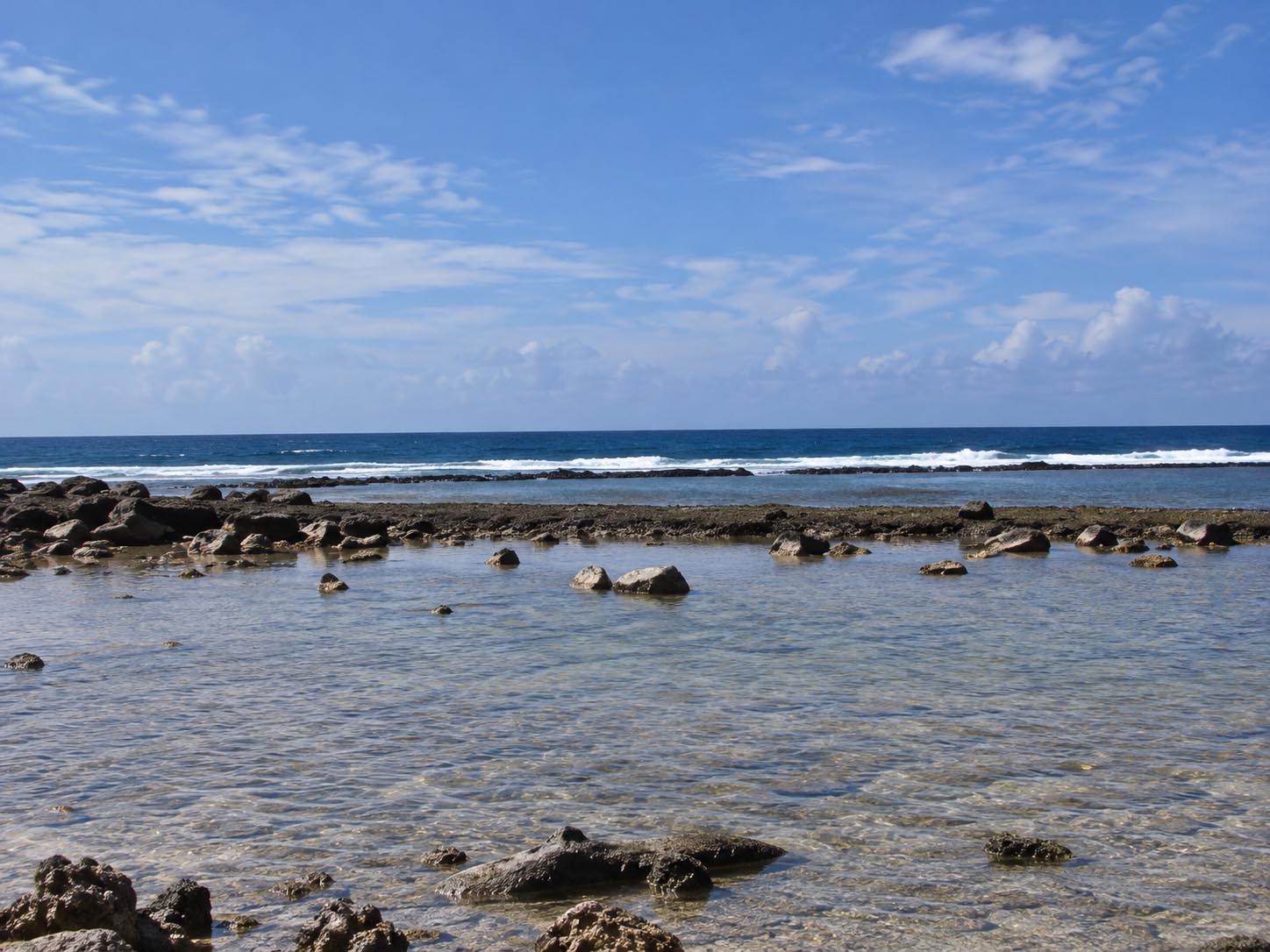
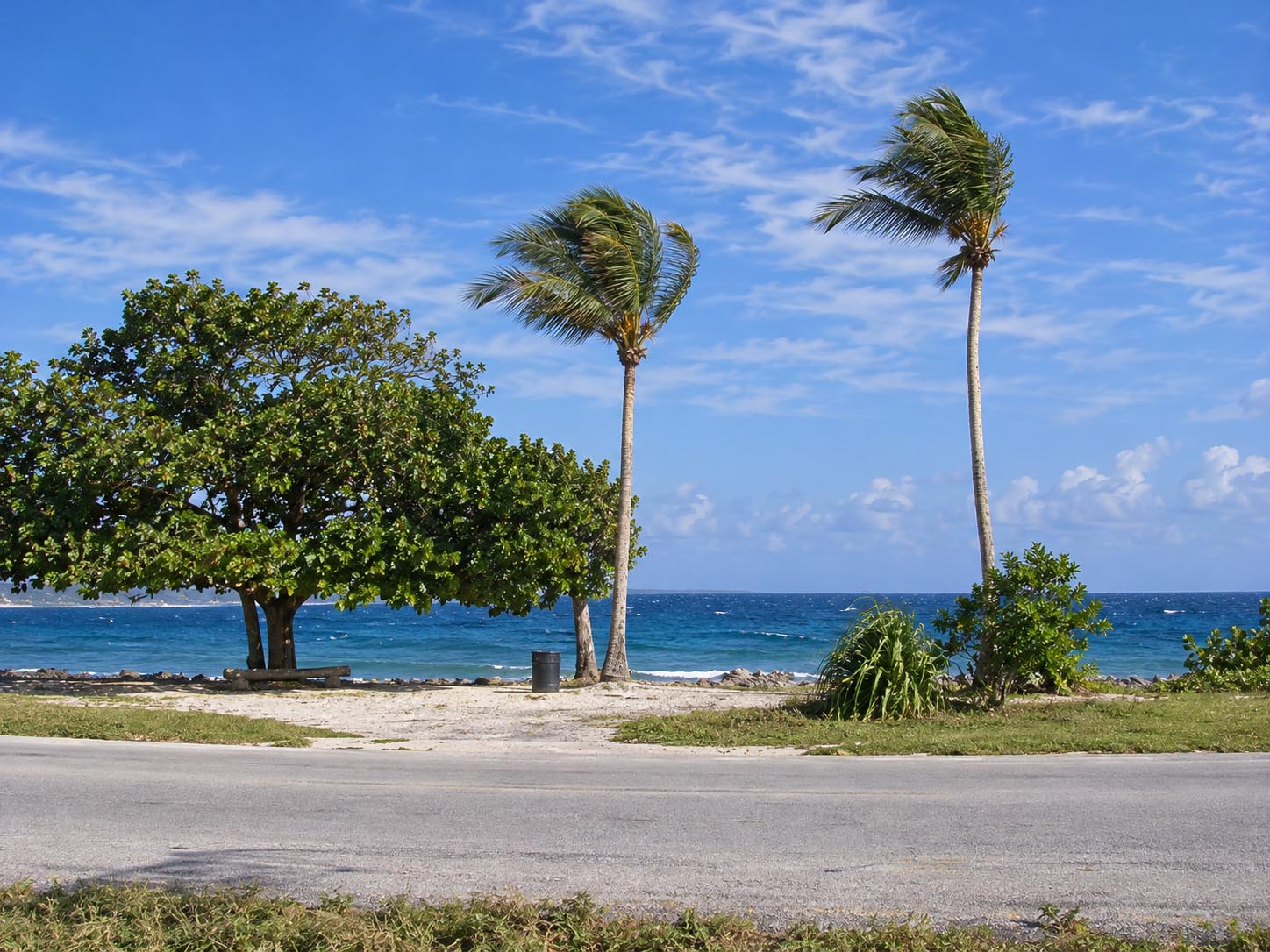
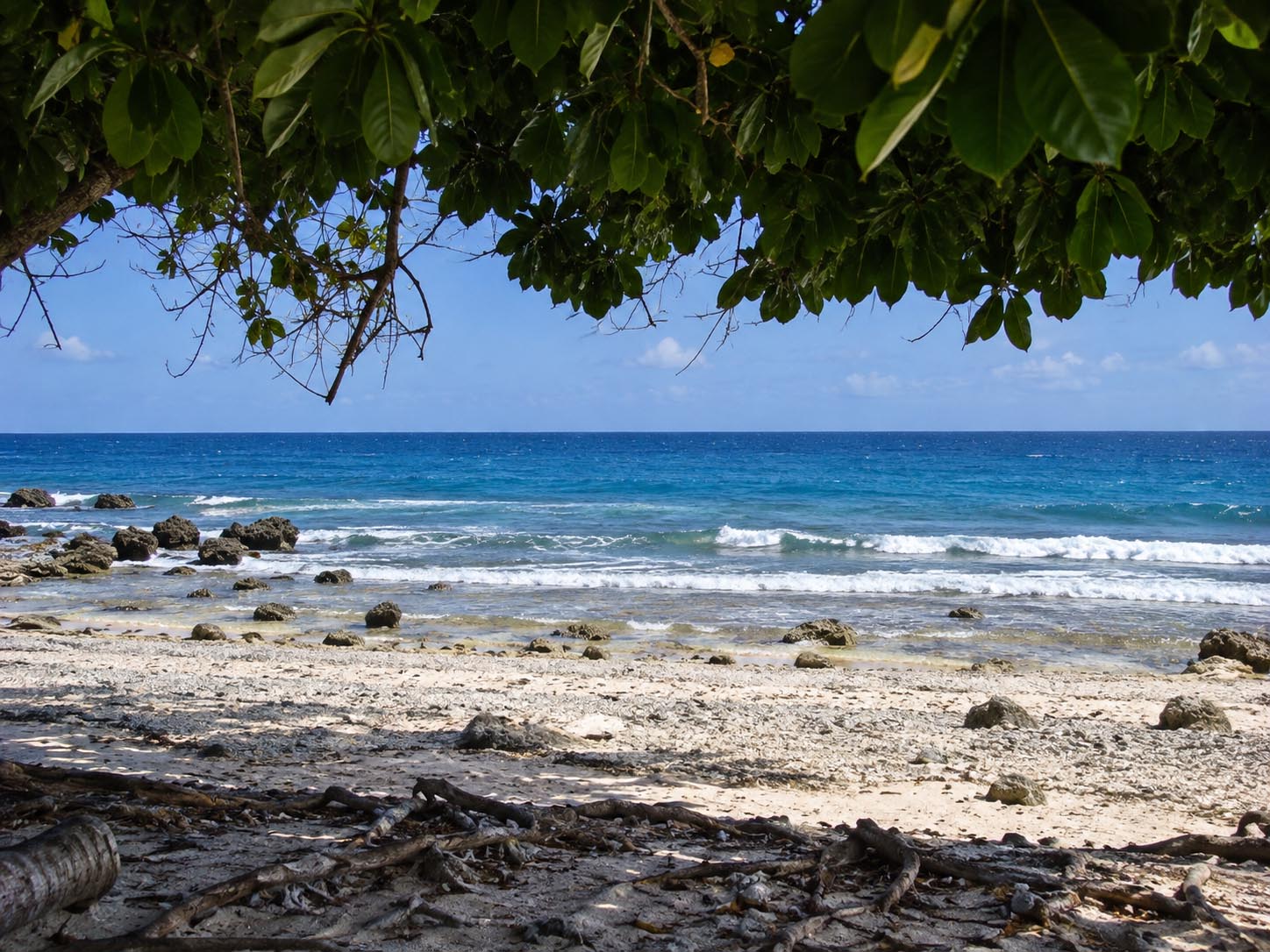
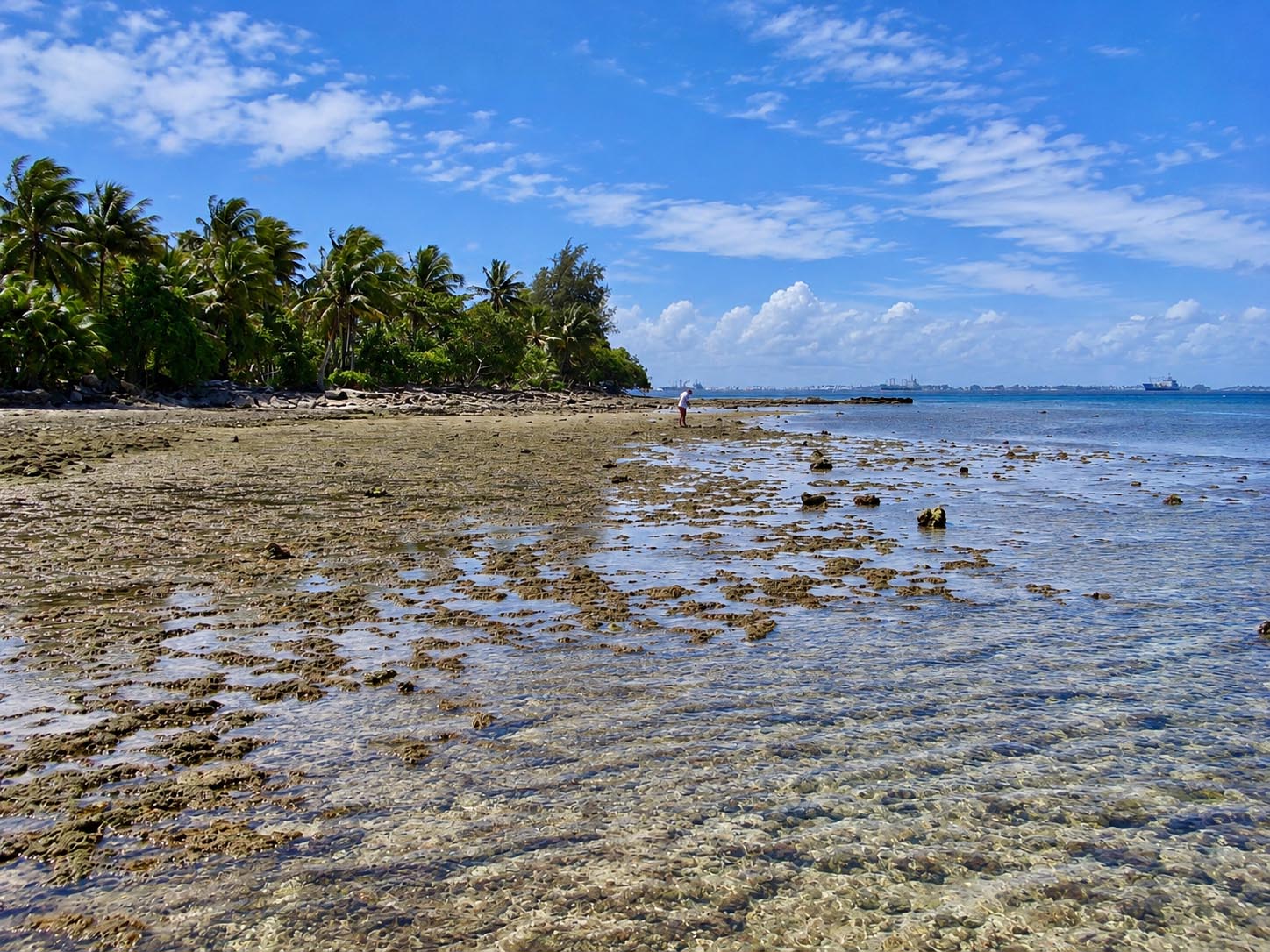
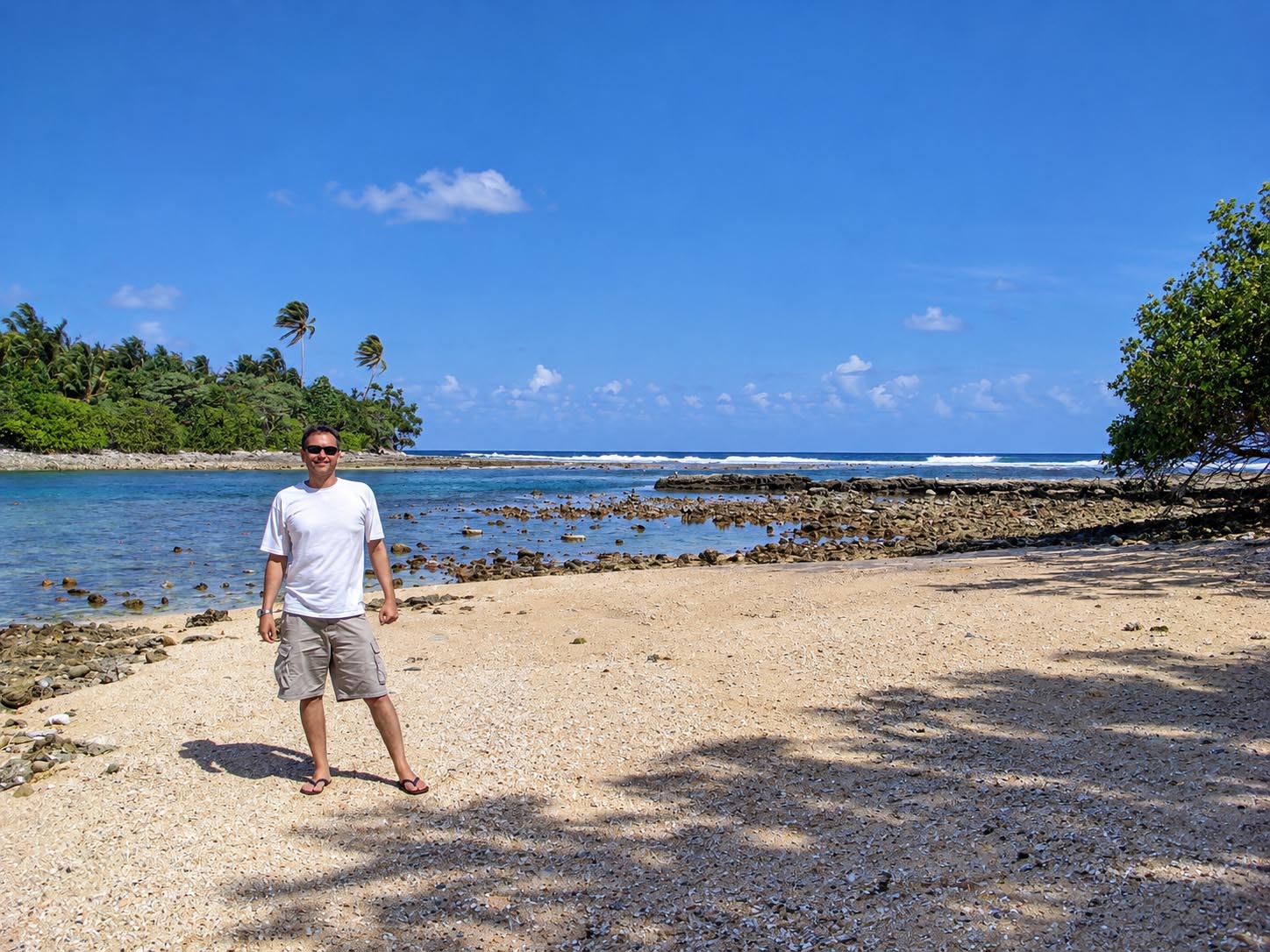
The first time we went to Majuro (capital of the Marshall Islands) was in 1996. Jose and I went to the COA convention and from there to Honolulu and Majuro for a few days of shelling. We found several nice shells, but the nicest was Cypraea cribraria gaspardi. The shell was rather easy to find in shallow water, but only in one spot on the entire island. So, this time, one of my divers and I headed off on another "short" trip from São Paulo to Dallas, Dallas to Honolulu, and from there to Majuro.
One of the weirdest things about crossing the International Date Line is that we lose one entire day on our way to the other side -- which we recover on our way back. So we left Honolulu on Wednesday morning and arrived in Majuro on Thursday afternoon after a 4-hour flight.
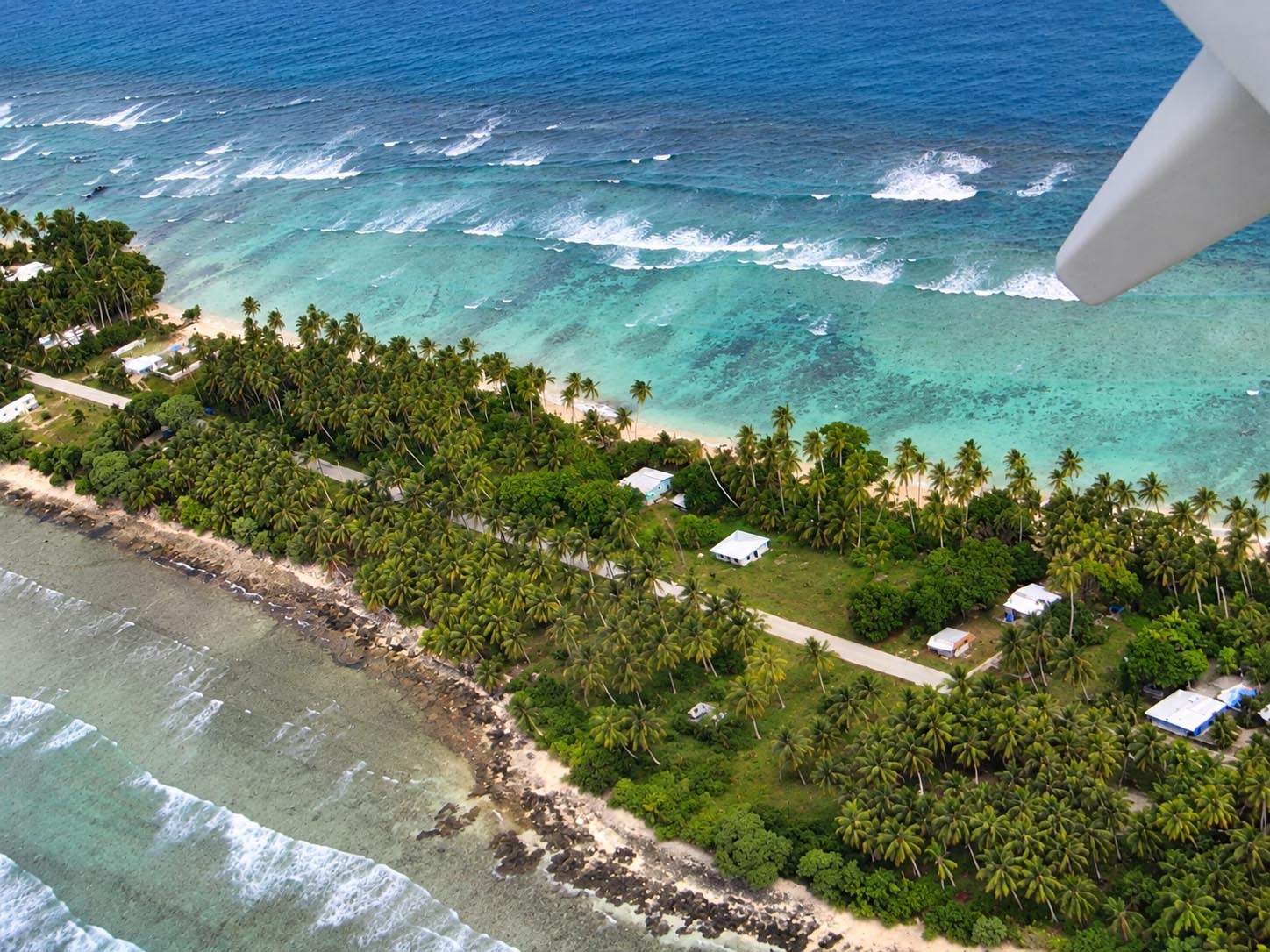
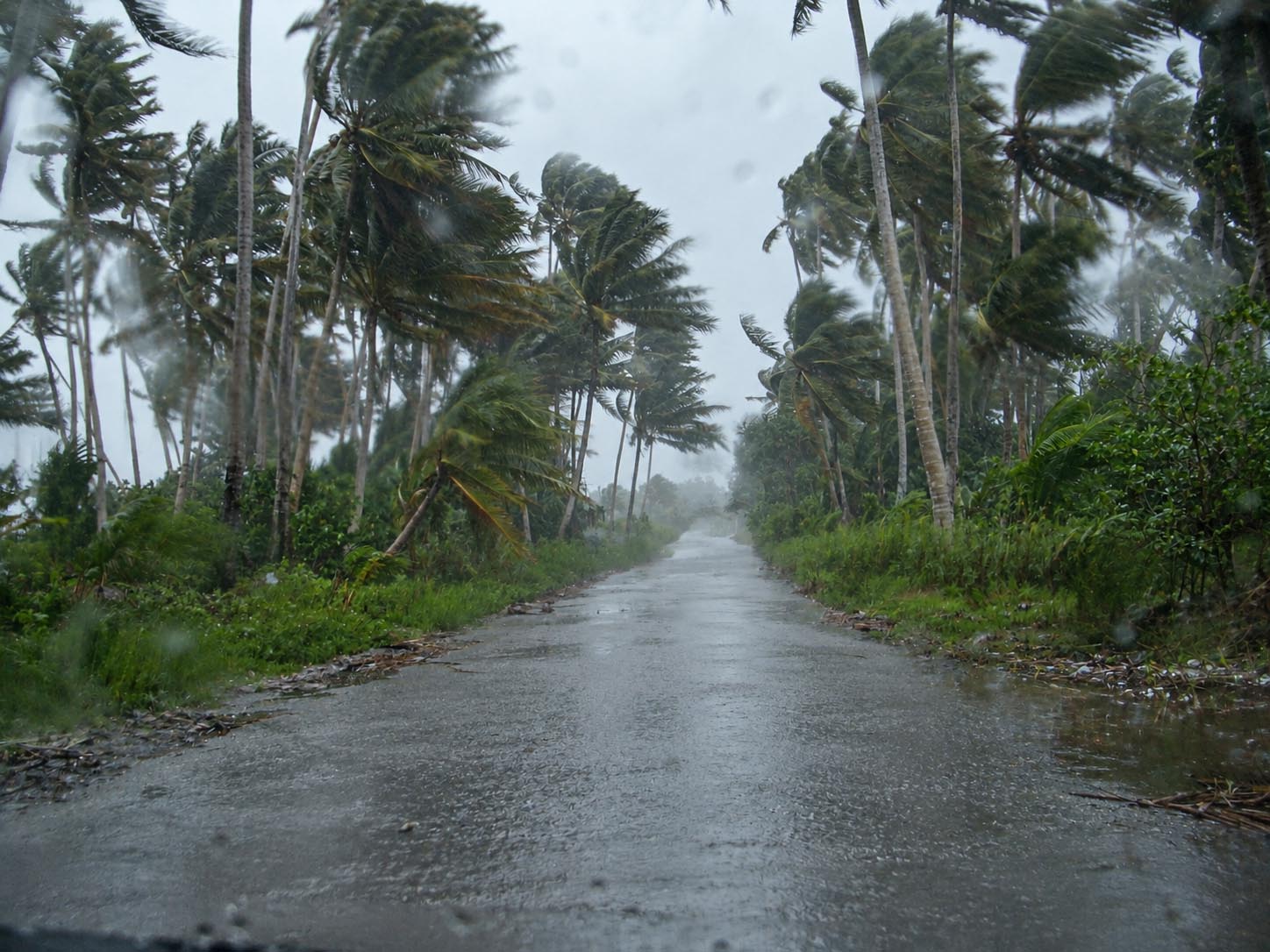
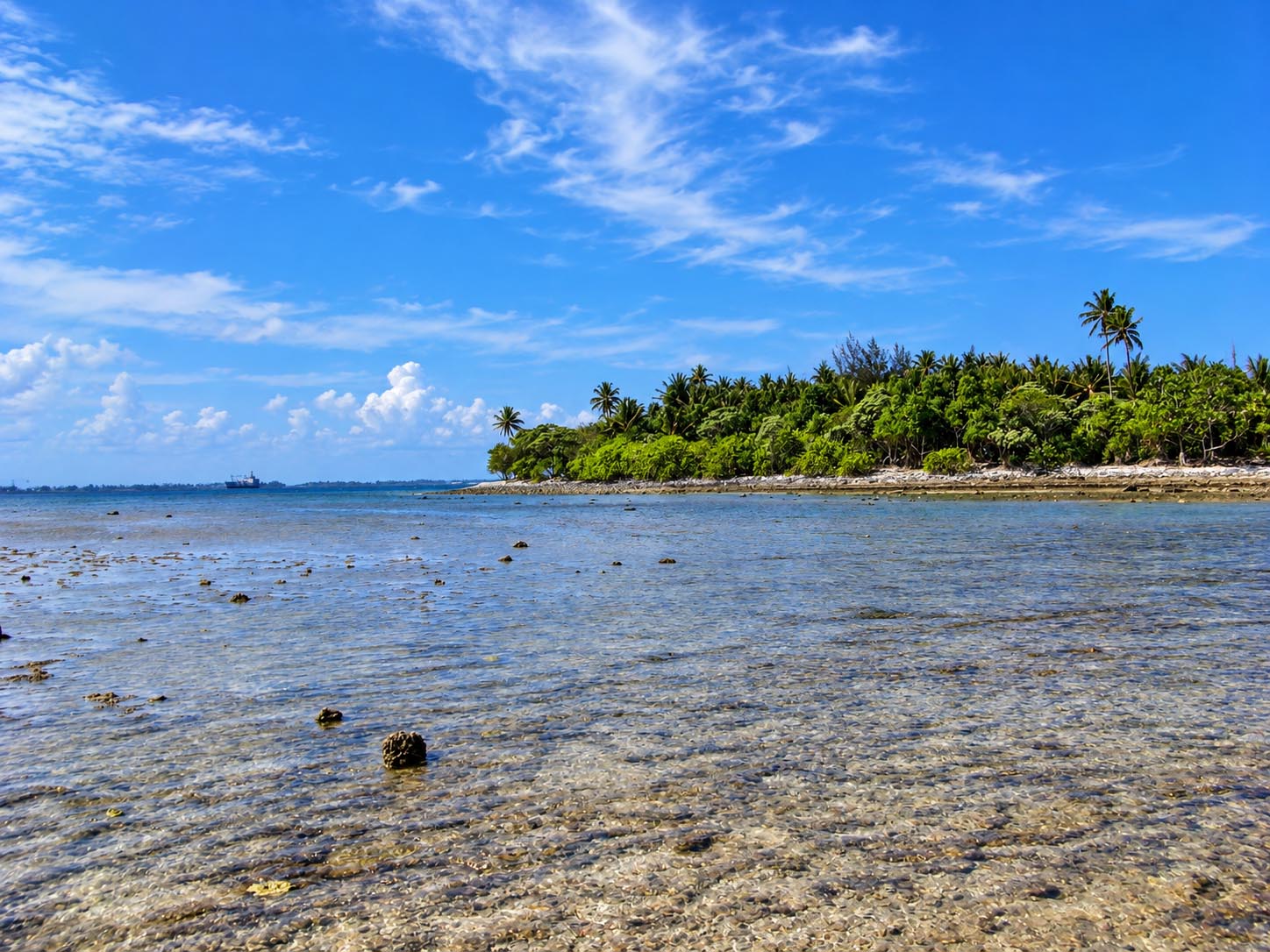
The weather was not too good, but since we would stay in the water the entire day, it wouldn't matter. Collecting proved to be better than last time -- perhaps also because our skills had improved... Majuro is an atoll about 50 km from one end to the other, without a single elevation except for a bridge (let's say it is not a good place to be if a tsunami arrives...).
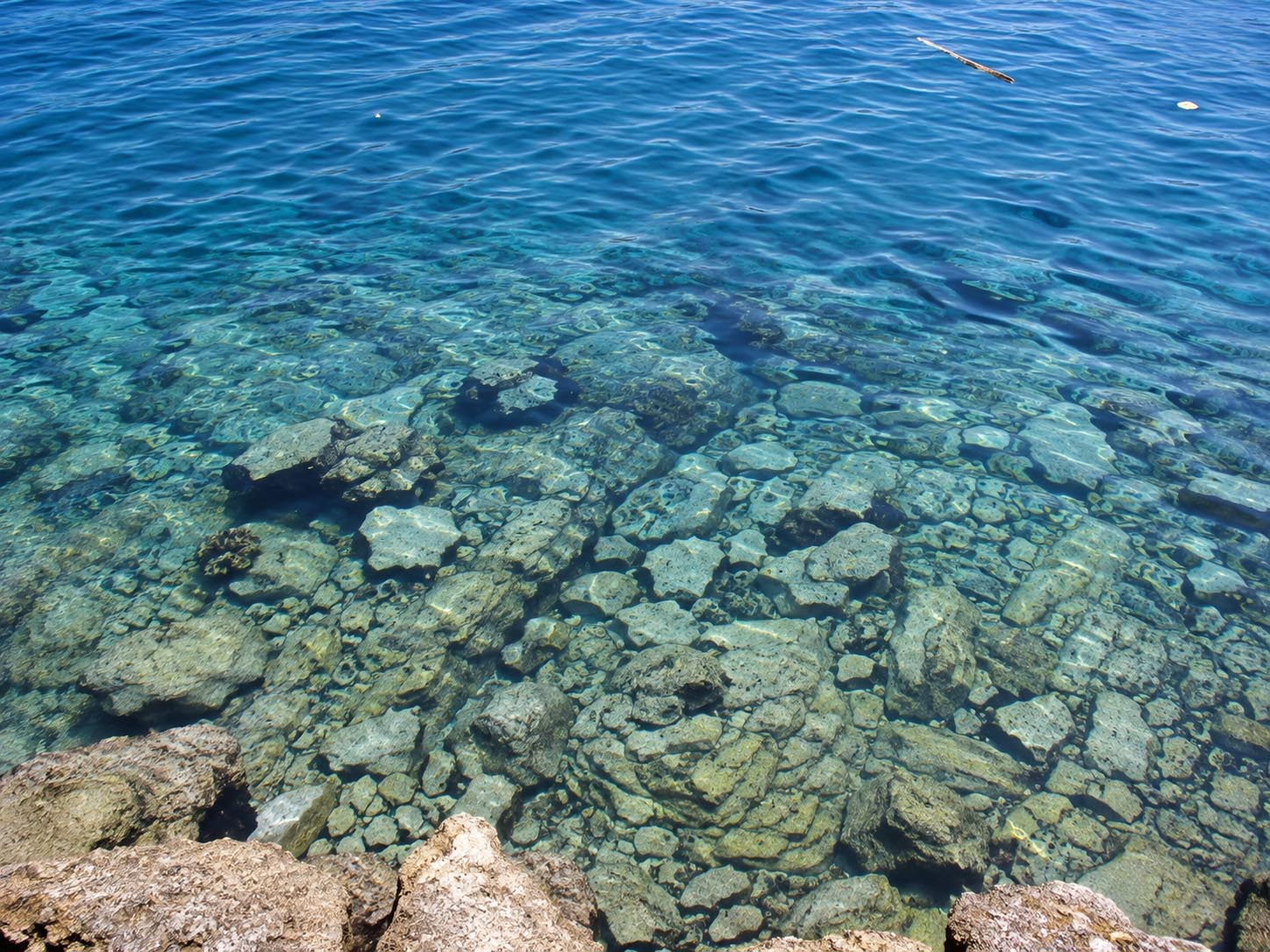
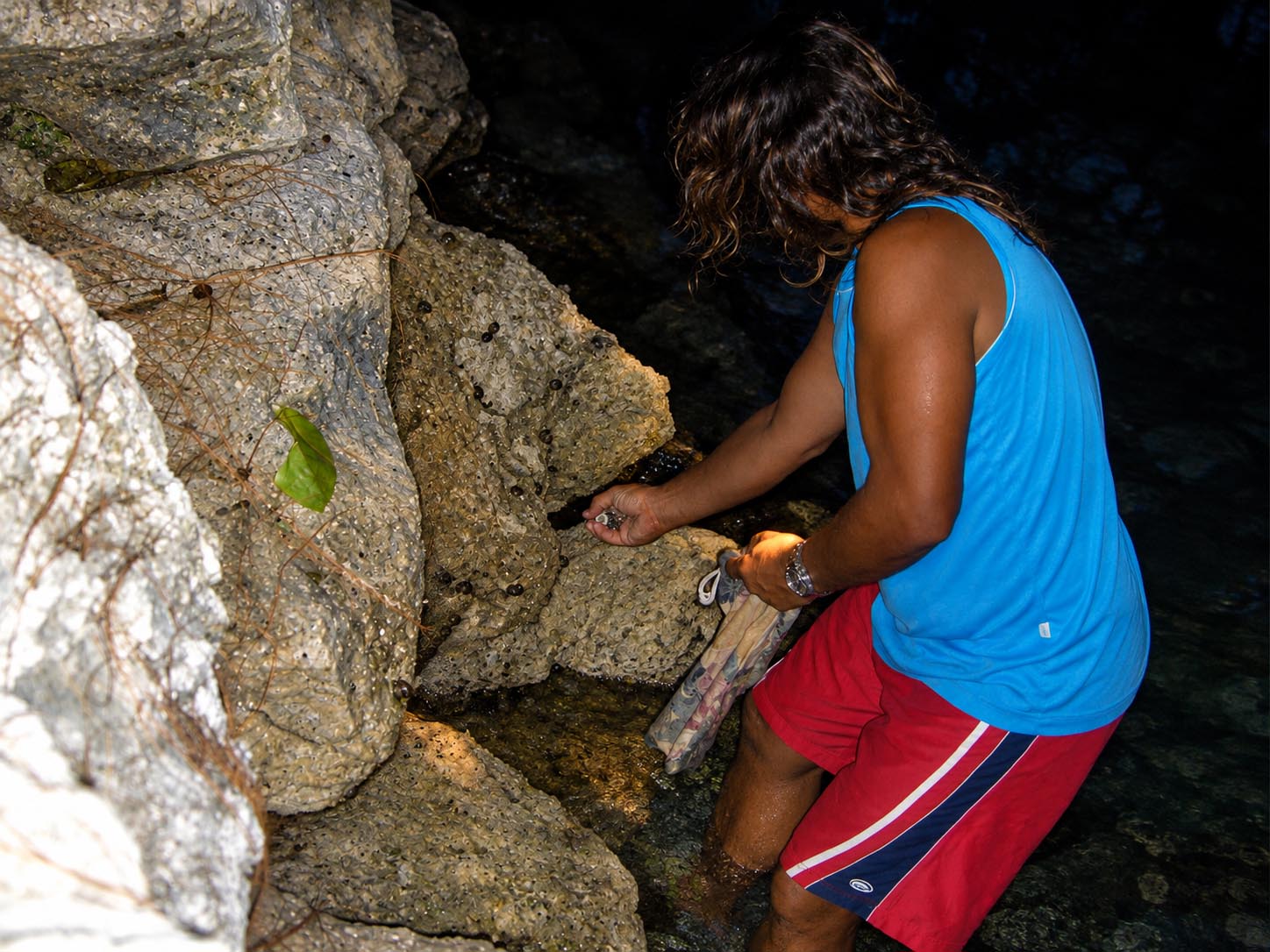
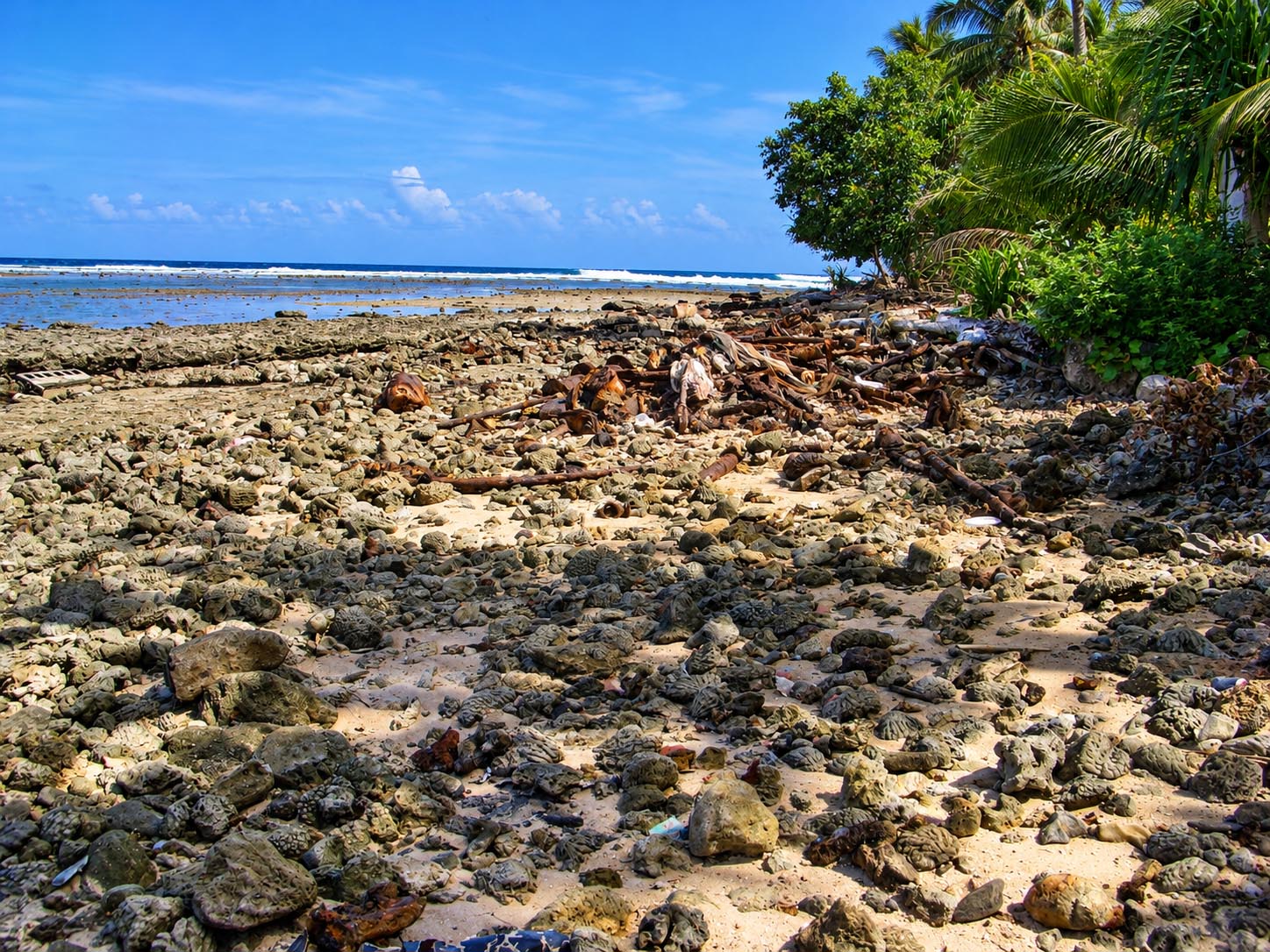
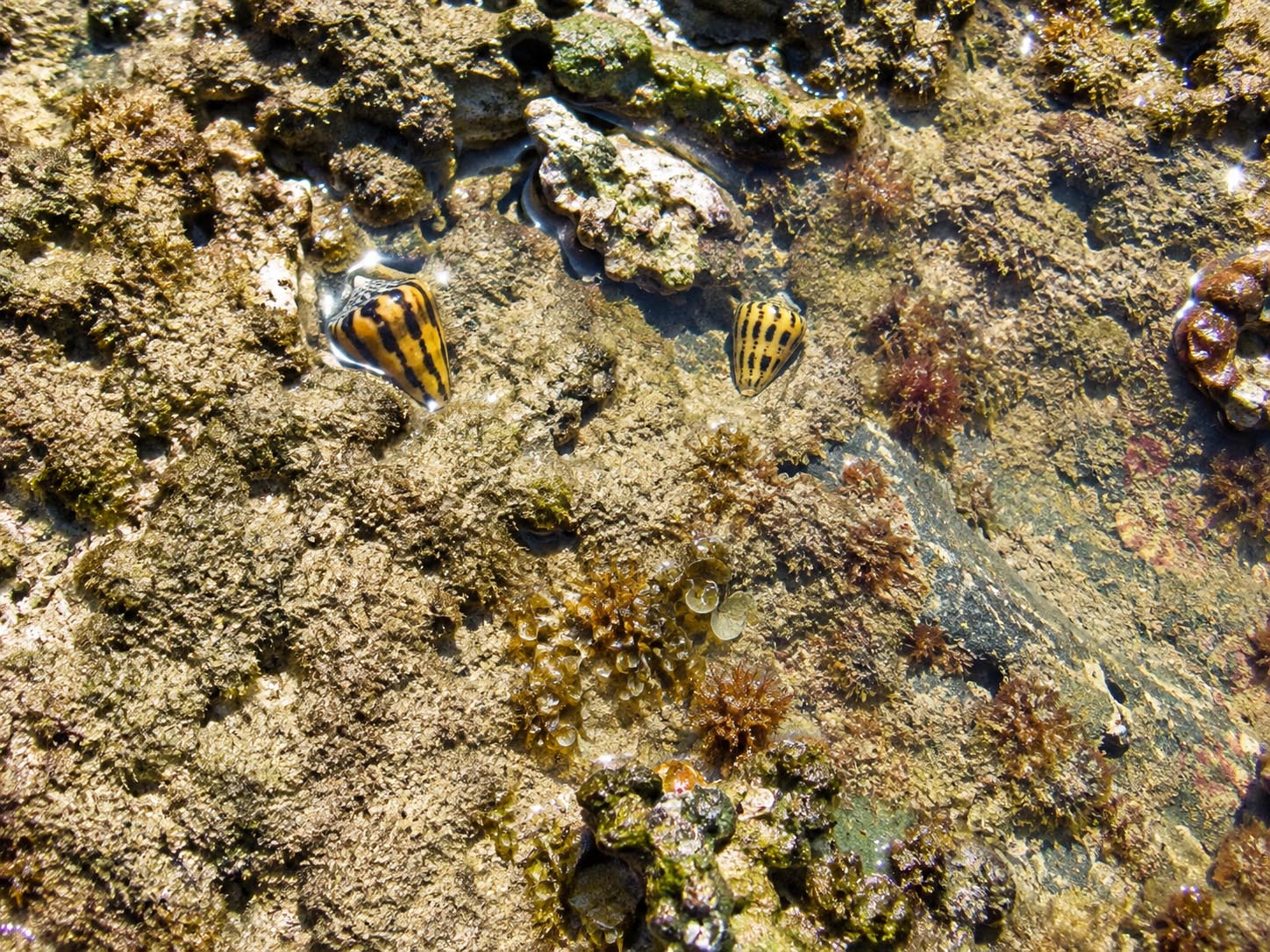
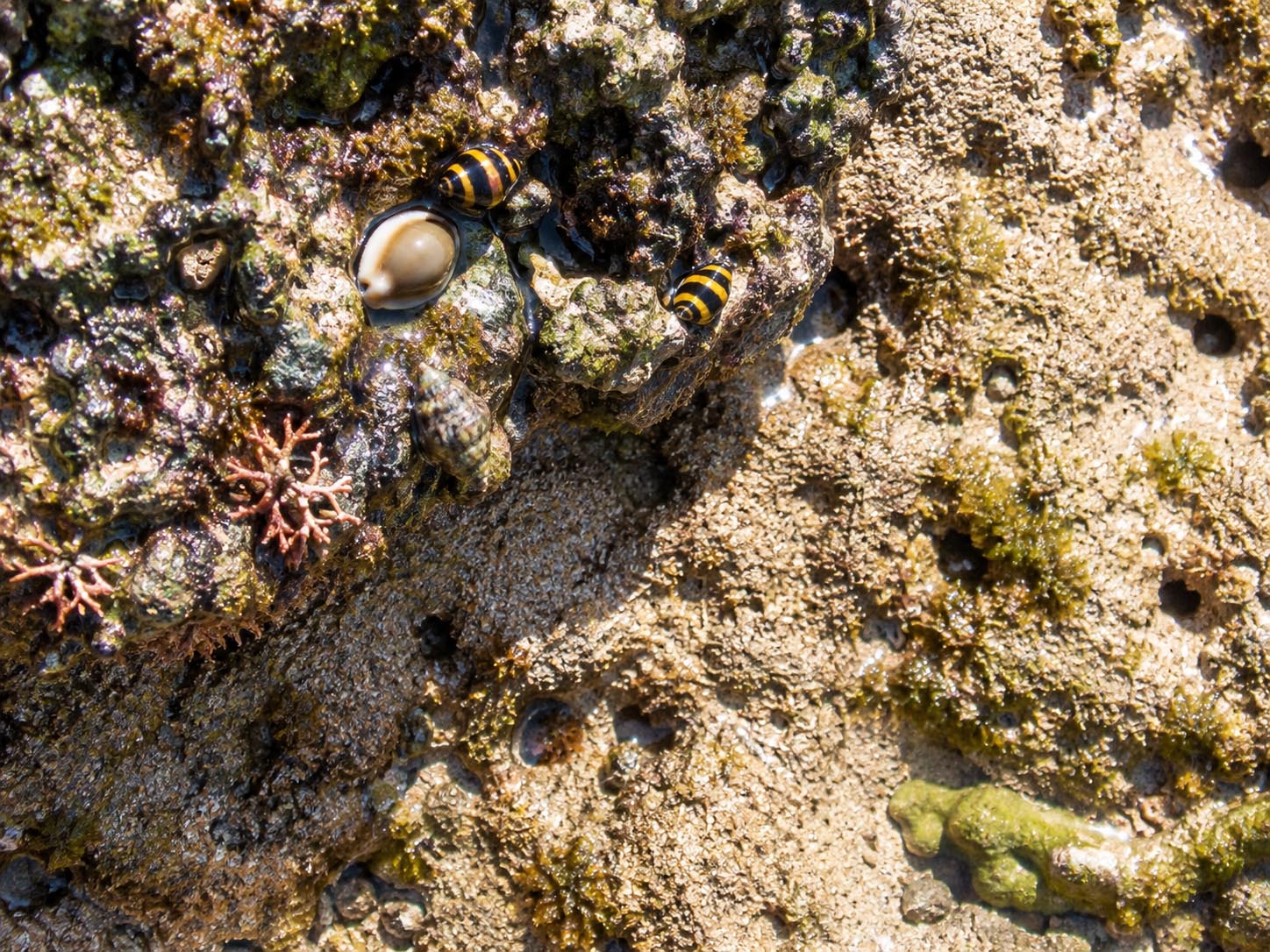
There are no sandy beaches, but the fauna varies greatly from one spot to another. On the first day we snorkeled inside the atoll and collected some Lambis, various Trochidae, Cypraea, and lots of small shells. At night, we collected Nerita exposed on the rocks, and he did a night snorkel at the place where we had found the Cypraea gaspardi the first time. The place had been wrecked, with lots of garbage, including whole cars, refrigerators, and boat parts. The worst was that they had filled part of the water with concrete to make space to build more houses. We tried several times to find the Cypraea, but there were not even any dead ones. Once more, man found a way to eradicate animals not considered important according to their narrow minds (who cares about shells?). That place had been very rich not only in shells but also in other marine life. Now you can see only hundreds of poisonous sea urchins.
We did not give up and went to other places, which fortunately were still intact, or close to it. People there don't really care about where they put their trash, so some beautiful places have huge piles of garbage and twisted, rusted metal to the point where it is difficult to tell what it used to be. We are not talking about beer cans, but truck engines!
The inhabitants are quite poor, and it seems that there is no public health department to teach them not to treat the island the way they do. Many houses use the beach as a toilet and wait for the high tide to wash away their sewage. We had to swim in those places -- I am glad we had no health problems (hey, my hands are turning blue!).
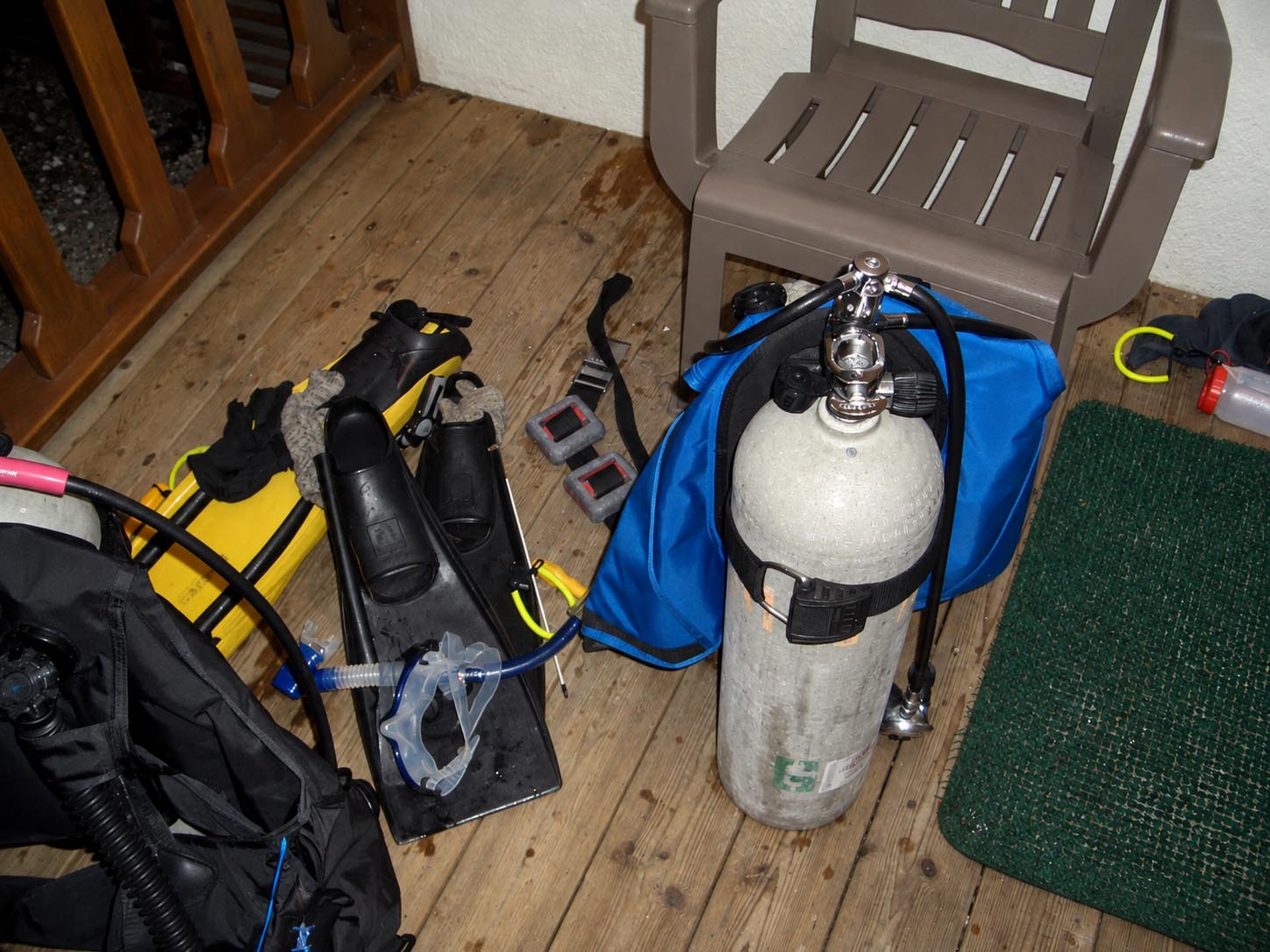
We collected more shells than we imagined, but we had to cut our trip short. We rented tanks for a night dive in shallow water. We found several species not found during the day, but we had also forgotten that sea urchins were much more active at night. After an hour and a half of diving, our tanks became lighter and he tried to swim down to reach a shell but didn't notice how close he was to a black urchin. He hit his knee on it and almost walked on the surface in pain. The damned black spiny thing was so poisonous that a simple touch was extremely painful. He went to bed that night after taking some painkillers. The next morning, his leg was still hurting, but not badly enough to prevent him from walking or snorkeling.
Then we went to Laura, at the western end of the atoll. After 4 hours of snorkeling, he came close to me and made a sign about his leg. He was in more pain and his leg was becoming stiff. Since I knew that an infection involving cartilage could cause irreversible damage, we had to be careful. I gave him some anti-inflammatory pills and we returned to the hotel. He took the pills and the next morning he felt better.
We had made plans to go to Arno, a smaller atoll close to Majuro. We started packing when he told me his leg was bad again, so I decided to abort the trip. However, I knew it wouldn't be easy to change flights since flights to and from Majuro are always fully booked; our flight back to Brazil also had to be planned ahead for the same reason. Luckily, there were two seats available to Honolulu and from there to Brazil. Our trip took 48 hours straight back to São Paulo, the longest trip I had ever taken!
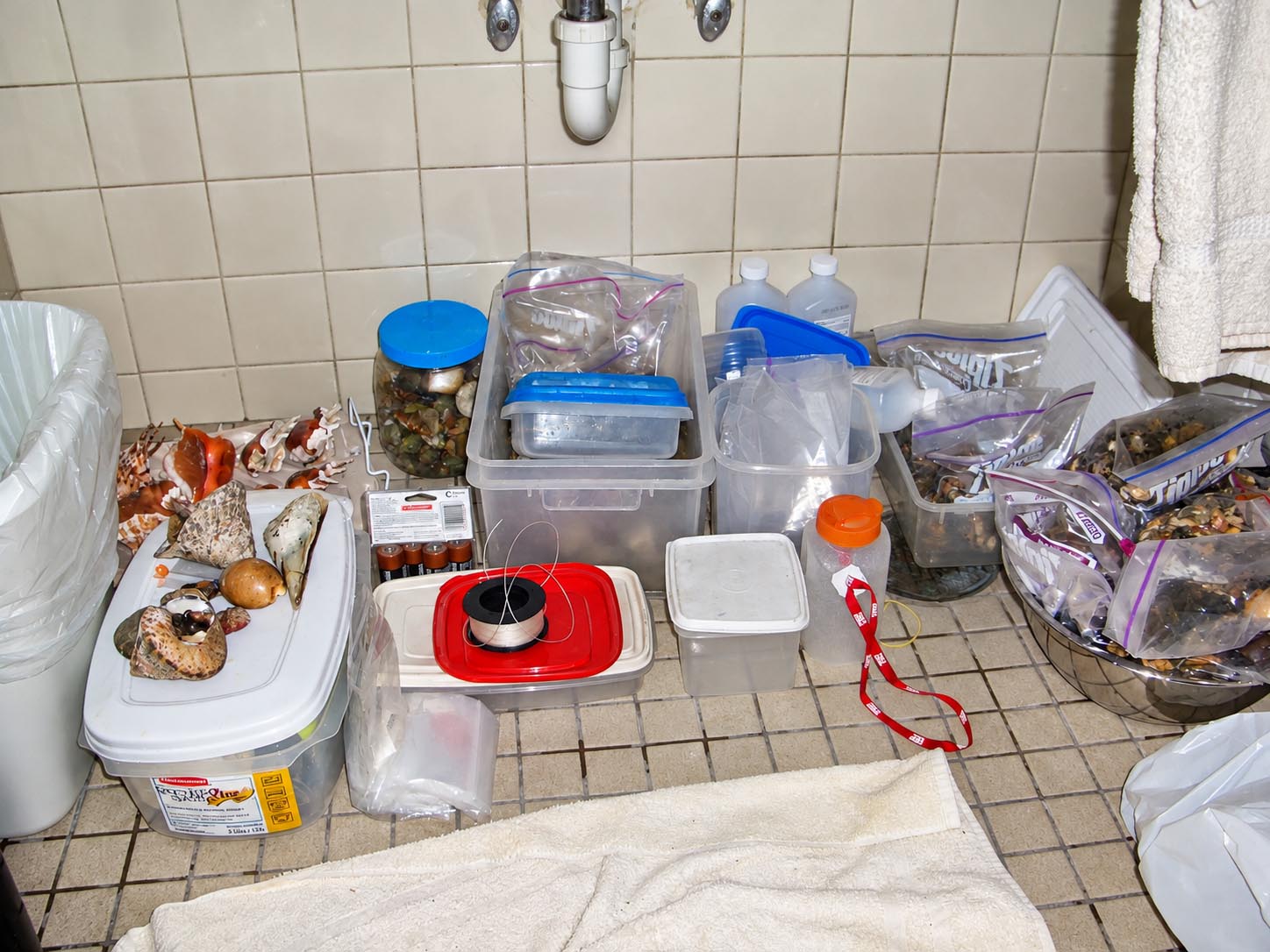
I just wonder how we would have managed to pack all the shells if we had stayed longer, since we collected so much in a few days that we had almost no space left in our luggage! I am sure this will not be the last trip to Majuro, even if we only go there on our way to other islands.
PS. He went to the doctor and had to take strong antibiotics -- the spots where the spines entered his skin turned black, and he had to remove small pieces of dead tissue.